

Pinus Sylvestris – Scots Pine
4,99 €
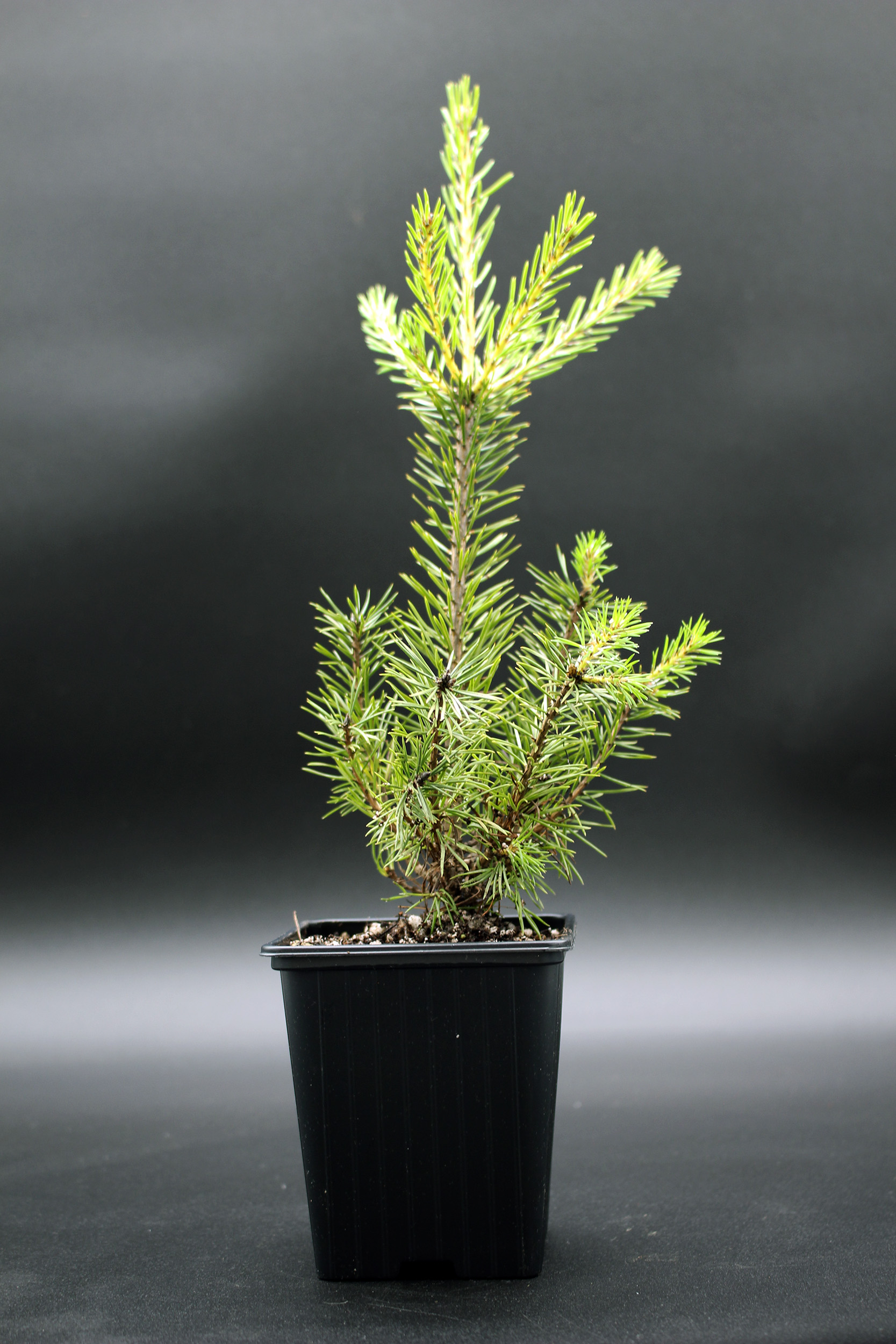
Pinus Sylvestris – Scots Pine young plants, 30-40 cm
In stock
Description
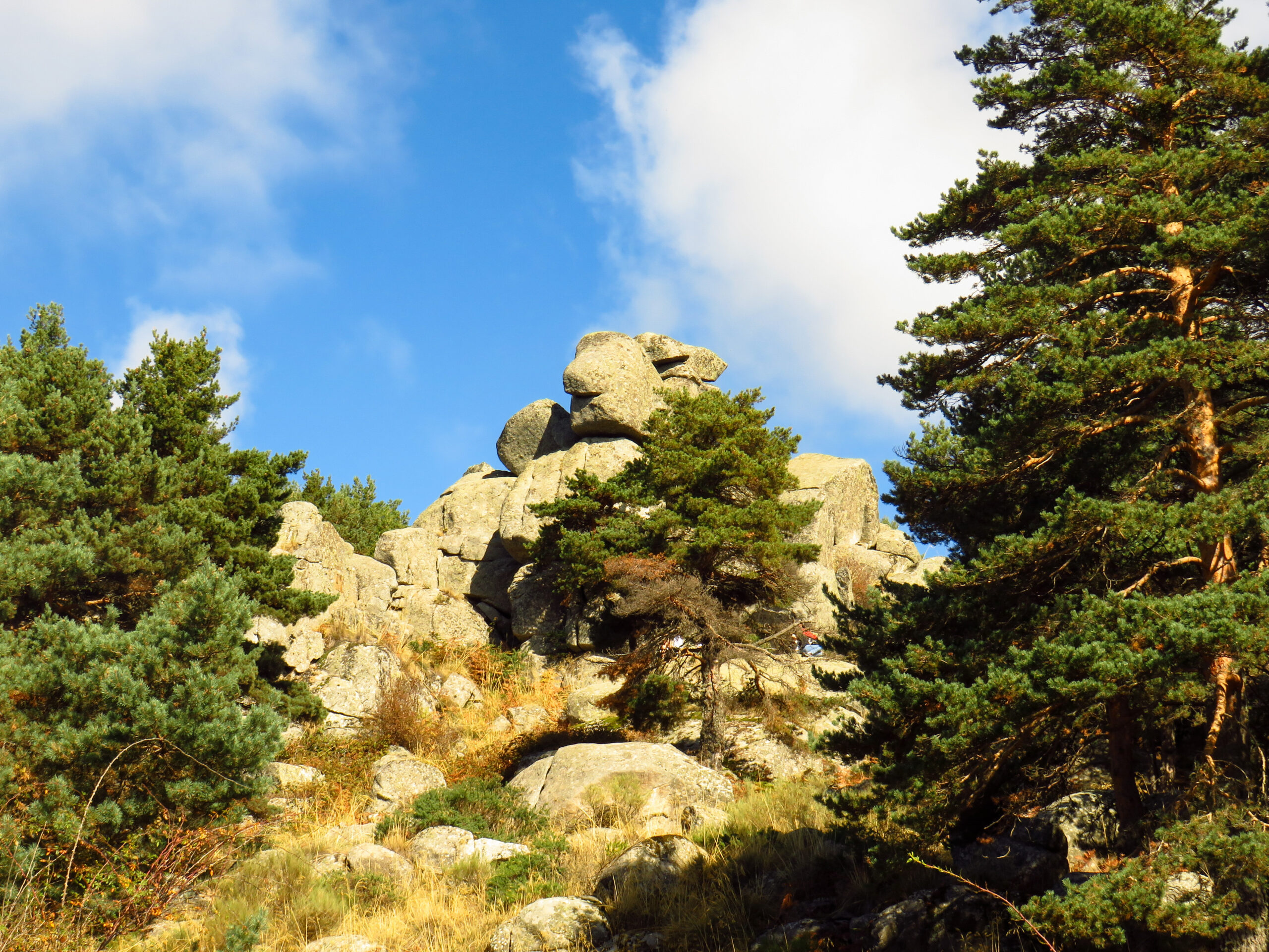
Pinus sylvestris, commonly known as Scots pine, is one of the most respected and widely used pine species in bonsai cultivation. Native across much of Europe and parts of Asia, it is admired for its rugged character, orange-brown bark, twisted trunk lines, and adaptability to harsh environments. In nature, Scots pine can grow in windswept mountains, rocky hillsides, forests, and cold northern landscapes, often developing dramatic shapes that naturally inspire bonsai design. These characteristics translate exceptionally well into miniature form, making Pinus sylvestris a favorite among bonsai enthusiasts seeking trees with strength, age, and natural realism.
As a bonsai, Scots pine embodies many of the classic qualities associated with traditional pine bonsai. It develops a thick, textured trunk with age, and mature specimens display distinctive flaky bark in shades of gray, reddish-brown, and orange. The upper sections of the trunk often reveal warm orange tones beneath peeling bark, giving older trees a striking visual presence. This bark texture is one of the defining features of the species and contributes greatly to the illusion of age in bonsai form.
The foliage of Pinus sylvestris consists of pairs of blue-green to gray-green needles. Compared to Japanese black pine, the needles are generally shorter and finer, making them more naturally suited to bonsai proportions. With proper cultivation techniques such as balanced feeding, candle control, and needle thinning, the foliage can become even more compact and refined over time. The soft blue-green tone also creates a subtle and elegant appearance that differs from the darker greens seen in many other pine species.
One of the reasons Scots pine is so highly valued in bonsai is its natural growth habit. Trees collected from harsh environments often display twisted trunks, dramatic bends, deadwood, and sparse branch structures shaped by years of exposure to wind, snow, and poor soils. This rugged character gives even relatively undeveloped material a sense of maturity and realism. Yamadori, or collected wild Scots pines, are especially prized because they often possess unique natural features that would take decades to create artificially.
Scots pine bonsai can be developed in many styles, though they are particularly suited to informal upright, slanting, literati, and windswept forms. The species naturally conveys an image of endurance and survival, making it ideal for designs that emphasize age and struggle against the elements. Literati styles work especially well because Scots pine often develops tall, elegant trunks with sparse foliage in nature. Informal upright forms are also common, allowing the trunk movement and bark texture to become the central focus of the composition.
Cultivating Pinus sylvestris as bonsai requires patience and a good understanding of pine growth patterns. Unlike some deciduous species that respond quickly to pruning, Scots pine develops more slowly and requires long-term planning. However, this slower pace contributes to the tree’s refined and natural appearance over time.
Sunlight is essential for healthy growth. Scots pine thrives in full sun and requires strong light to maintain compact growth and healthy buds. Insufficient light leads to weak growth, elongated needles, and reduced vigor. Outdoor cultivation is therefore necessary, as indoor conditions rarely provide the intensity of light or seasonal variation needed for long-term health.
Watering practices must balance moisture with excellent drainage. Scots pine prefers soil that drains freely and allows oxygen to reach the roots. Overwatering is one of the most common problems and can lead to root rot or weakened growth. The soil should be watered thoroughly and then allowed to dry slightly before watering again. During active growth in spring and summer, watering frequency increases, while in winter it is reduced significantly.
The soil mix used for Scots pine bonsai is usually highly inorganic and fast-draining. Common components include akadama, pumice, and lava rock. This combination provides moisture retention while maintaining airflow around the roots. Good drainage is particularly important because pines are highly dependent on healthy root systems and beneficial soil microorganisms.
Repotting is typically done less frequently than with deciduous species. Young Scots pine bonsai may be repotted every two to four years, while older, more refined trees can often remain undisturbed for longer periods. Repotting is usually carried out in early spring before active growth begins. Care must be taken not to remove too many roots at once, as pines can react poorly to severe root reduction.
Pruning and branch development are central to Scots pine bonsai training. Structural pruning is generally performed during the dormant season, while maintenance work takes place throughout the growing season. Unlike Japanese black pine, Scots pine does not reliably produce a second flush of growth after candle pruning, so techniques must be adapted accordingly.
Candle management is still important, however. In spring, new shoots known as candles elongate rapidly. By selectively shortening stronger candles and leaving weaker ones untouched, the grower balances energy throughout the tree. Needle plucking is also used to improve light penetration and encourage back budding closer to the trunk.
Back budding in Scots pine is possible but less predictable than in some other species. Healthy trees with strong vigor are more likely to produce buds on older wood when sufficient light reaches the inner branches. This makes proper thinning and sunlight exposure essential for maintaining compact foliage close to the trunk.
Wiring is another important aspect of styling. Young branches are flexible and can be shaped relatively easily, while older branches become stiff and brittle. Wiring is often done in autumn or winter when sap flow is reduced. Scots pine bark can mark easily under wire if left unchecked, so regular monitoring is necessary.
Deadwood techniques are particularly effective with Scots pine. Jin and shari can be used to create the appearance of ancient weathered trees shaped by harsh climates. The contrast between living bark and pale deadwood adds drama and visual age to the bonsai. Because Scots pine naturally develops deadwood in harsh environments, these features often appear highly convincing and natural.
Fertilization is important but must be balanced carefully. Strong feeding promotes vigorous growth and helps maintain health, especially during development stages. However, excessive fertilization can lead to overly long needles and coarse growth. Organic fertilizers are commonly used because they release nutrients gradually and support healthy soil biology.
Scots pine bonsai change beautifully with the seasons. In spring, fresh candles emerge with bright new growth. Summer brings dense foliage and active development. In autumn, the bark colors become richer, and the structure of the tree becomes more visible as growth slows. Winter reveals the full architecture of the trunk and branches, often creating a striking silhouette against cold landscapes.
One of the greatest appeals of Pinus sylvestris bonsai is the sense of authenticity it conveys. Even relatively young trees can appear ancient when properly styled. The combination of rugged bark, fine needles, elegant trunk movement, and sparse foliage reflects the appearance of old pines found in nature across Europe’s mountains and forests.
Working with Scots pine as bonsai is a long-term commitment. It is a species that rewards patience rather than speed. Over many years, careful cultivation transforms raw material into a tree that expresses stability, endurance, and quiet power. Each stage of development adds more character, and no two trees ever develop in exactly the same way.
For bonsai enthusiasts, Pinus sylvestris represents a connection to wild landscapes and ancient forests. It combines horticultural challenge with artistic depth, offering endless opportunities for refinement and expression. A mature Scots pine bonsai is more than a miniature tree; it is a living representation of resilience, shaped slowly by both nature and human guidance over time.
Scientific name: Pinus Sylvestris
Common Name: Scots Pine
Origin: Europe
Available sizes: 30 – 40 cm
Age: 2 – 3 years
Delivery form: pot 9 x 9 x 10 cm
Additional information
| Weight | 0,3 kg |
|---|
Related products
-
 Select options This product has multiple variants. The options may be chosen on the product page
Ulmus Parvifolia – Chinese Elm
4,99 € – 9,99 € -
 Select options This product has multiple variants. The options may be chosen on the product page
Juniperus Chinensis Itoigawa – Chinese Itoigawa Juniper
9,99 € – 79,99 €