

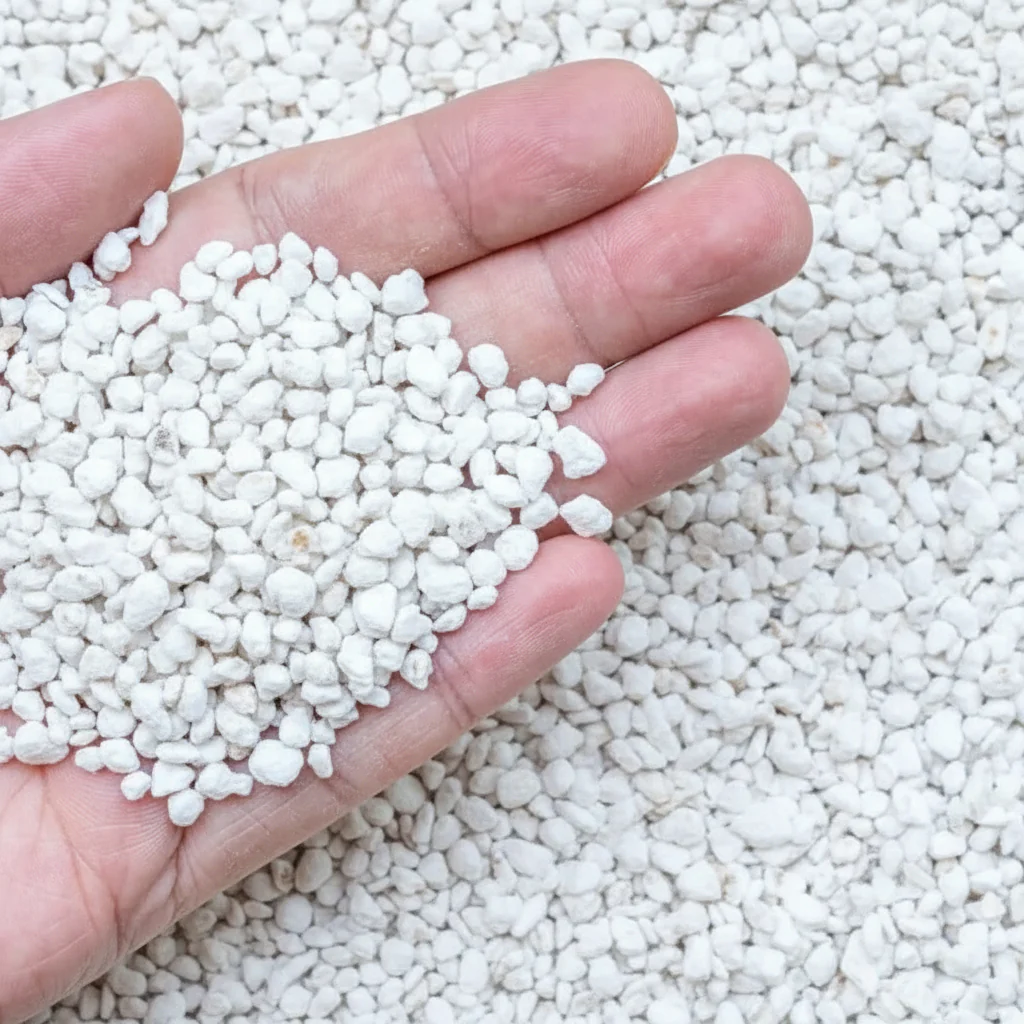
Perlite 5 liters
4,99 €
Perlite 5 liters
In stock
Description
Perlite is a lightweight volcanic mineral widely used in horticulture and bonsai cultivation to improve soil structure, drainage, and root aeration. It is produced by heating naturally occurring volcanic glass at very high temperatures, causing the material to expand into white, porous granules. The result is a sterile, inert growing medium that retains moisture while also creating large air spaces within the soil. Because of these properties, perlite has become a valuable component in bonsai substrates, propagation mixes, and container gardening.
One of the most important characteristics of perlite is its exceptional aeration capacity. Healthy bonsai cultivation depends heavily on maintaining an ideal balance between moisture retention and oxygen availability around the roots. Bonsai trees are grown in shallow containers where drainage and airflow are especially critical. Compacted or poorly aerated soil can quickly lead to root rot, weak growth, fungal problems, and reduced vigor. By incorporating perlite into a bonsai soil mix, growers create a looser substrate that allows oxygen to penetrate more effectively into the root zone.
Perlite also improves drainage by preventing soil particles from compacting tightly together. This is particularly beneficial for species that dislike constantly wet conditions, such as pines, junipers, and many Mediterranean trees. Excess water can move more freely through a substrate containing perlite, reducing the risk of waterlogging. At the same time, the porous structure of perlite is capable of holding small amounts of water on its surface, which helps maintain moderate moisture levels between watering cycles. This combination of drainage and moisture retention makes it useful in a wide range of climates and growing conditions.
Another advantage of perlite is that it is chemically neutral and largely inert. It does not significantly alter soil pH and contains no harmful salts or pathogens. Because it is sterile, it reduces the likelihood of introducing fungal spores, weed seeds, or pests into bonsai containers. Perlite itself contains almost no nutrients, which means it must be combined with fertilization or nutrient-rich soil components to support long-term plant growth. However, its neutrality allows growers to control nutrient levels more precisely through fertilization programs.
In bonsai cultivation, perlite is rarely used alone. Instead, it is commonly mixed with other substrate materials such as akadama, pumice, lava rock, bark, kiryu, or organic compost. The exact ratio depends on the species being grown, the climate, watering habits, and the stage of development of the tree. For example, conifers such as Japanese black pine or Chinese juniper often benefit from highly free-draining mixes containing moderate amounts of perlite combined with pumice or lava rock. Deciduous species may require slightly higher water retention and therefore use smaller proportions of perlite.
Perlite is particularly useful during propagation and early development stages. Cuttings and young seedlings often require consistent moisture together with excellent aeration to encourage root formation. Mixing perlite with peat, coco coir, or fine bark creates an ideal environment for young roots. Because perlite is lightweight and easy to handle, it is also commonly used in nursery production and pre-bonsai cultivation where large numbers of plants are grown in containers.
Despite its many benefits, perlite also has some limitations in bonsai culture. One common criticism is its low weight. In shallow bonsai pots, very lightweight substrates can become unstable, especially for larger trees or in windy conditions. Perlite particles may also gradually rise to the soil surface during repeated watering. Over time, the granules can break down into finer particles, reducing some of their drainage benefits. For this reason, many experienced bonsai growers prefer combining perlite with heavier inorganic materials such as pumice or lava rock rather than relying on it as the primary aggregate.
Another consideration is that dry perlite dust can irritate the respiratory system and eyes during handling. It is advisable to moisten the material before use and avoid inhaling excessive dust. Wearing a mask when working with large quantities is recommended.
In modern bonsai cultivation, perlite remains a practical and affordable substrate component, especially for growers seeking improved aeration and drainage. Its sterile nature, moisture balance, and ease of use make it valuable for propagation, container cultivation, and soil improvement. When combined appropriately with other bonsai soil ingredients, perlite helps create a healthy root environment that supports vigorous growth, root development, and long-term bonsai health.
Additional information
| Weight | 2 kg |
|---|
Related products
-
SOLD OUT
 Select options This product has multiple variants. The options may be chosen on the product page
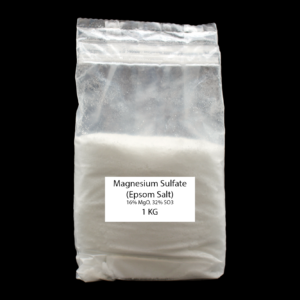
Magnesium Sulfate (Epsom Salt) 1Kg
7,99 € -
 Select options This product has multiple variants. The options may be chosen on the product page
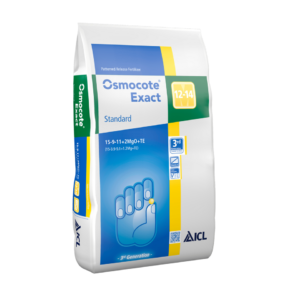
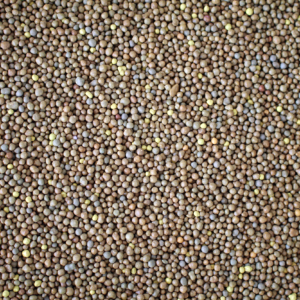
Osmocote slow-release fertilizer
1,99 € – 9,99 € -
 Select options This product has multiple variants. The options may be chosen on the product page
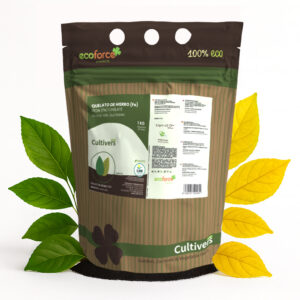
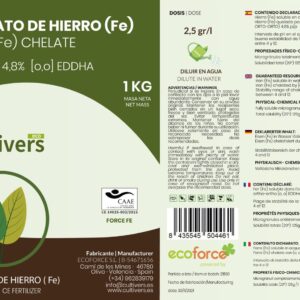
Iron Chelate Fertilizer
9,99 € – 19,99 €