

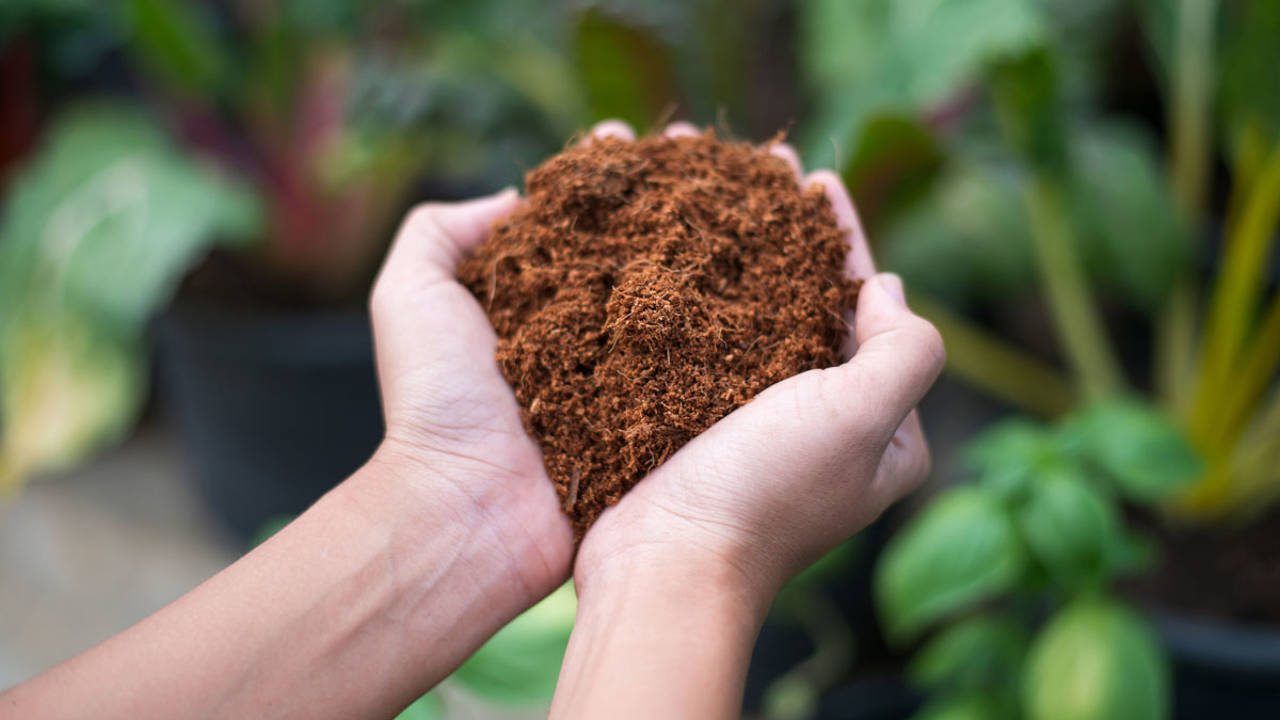
Coconut fiber 5 liters
4,99 €
Coconut fiber 5 liters
In stock
Description
Coconut fiber, often called coco coir, is a natural growing medium derived from the outer husk of coconuts. Originally considered a byproduct of the coconut industry, it has become an increasingly popular substrate component in horticulture, hydroponics, and bonsai cultivation. Coco coir is valued for its ability to retain moisture while still maintaining good aeration, making it a versatile material for container-grown plants. In bonsai culture, where root health and soil structure are critical, coconut fiber is often used as an organic component in carefully balanced soil mixes.
Coconut fiber is produced by processing the fibrous husk surrounding the coconut shell. The material is cleaned, aged, and separated into different particle sizes, including fine fibers, coarse chips, and pith. These different forms can be used individually or blended depending on the intended horticultural application. In bonsai cultivation, fine coco coir is typically used to improve moisture retention, while larger coconut chips may contribute additional structure and aeration.
One of the main advantages of coconut fiber is its excellent water-holding capacity. Coco coir can absorb and retain several times its own weight in water while still allowing excess moisture to drain relatively freely. This characteristic is particularly useful in bonsai cultivation because trees grown in shallow containers dry out much faster than plants in the ground. Maintaining a stable moisture level is essential for preventing root stress, especially during hot weather or in dry climates. Coconut fiber helps buffer fluctuations in soil moisture, reducing the frequency of watering while still protecting roots from excessive saturation.
At the same time, coconut fiber maintains good air porosity. Unlike some organic materials that compact heavily over time, properly prepared coco coir retains a relatively open structure that allows oxygen to reach the roots. Healthy root systems require both water and oxygen, and bonsai substrates must balance these two factors carefully. Coconut fiber contributes to this balance by combining moisture retention with moderate aeration, making it suitable for many bonsai species when used in the correct proportions.
Another important benefit of coconut fiber is its sustainability. Traditional peat moss has long been used in horticulture for moisture retention, but peat harvesting raises environmental concerns because peat bogs regenerate very slowly and store significant amounts of carbon. Coconut fiber is considered a more renewable alternative because it utilizes waste material from the coconut industry. As a result, many growers choose coco coir as an environmentally conscious substitute for peat-based substrates.
Coconut fiber is also relatively resistant to fungal decomposition compared to many other organic materials. Although it eventually breaks down over time, it generally decomposes more slowly than standard compost or bark-based substrates. This slower breakdown helps maintain soil structure for longer periods and reduces compaction within bonsai containers. In addition, high-quality coco coir is usually washed and buffered before sale to remove excess salts and stabilize its chemical properties.
In bonsai cultivation, coconut fiber is rarely used alone. Instead, it is normally mixed with inorganic components such as akadama, pumice, lava rock, kiryu, or perlite. These materials improve drainage and structural stability while the coconut fiber contributes moisture retention and organic matter. The exact ratio depends on the species being cultivated, the local climate, and the grower’s watering habits. Tropical bonsai species and deciduous trees often tolerate slightly higher organic content, while conifers such as pines and junipers generally require more free-draining substrates with smaller amounts of coconut fiber.
Coconut fiber is particularly useful during propagation and early development stages. Seedlings, cuttings, and young pre-bonsai trees often benefit from the stable moisture conditions that coco coir provides. The material encourages fine root growth and helps reduce transplant stress. In nursery production, coconut fiber is widely used because it is lightweight, easy to handle, and capable of supporting vigorous root development.
Despite its many advantages, coconut fiber also has some limitations in bonsai use. If poor-quality coco coir is not properly washed before use, it may contain excessive salts, especially sodium and potassium. High salt levels can damage sensitive roots and interfere with nutrient uptake. For this reason, growers often rinse coconut fiber thoroughly before incorporating it into bonsai soil mixes. Another consideration is that coco coir retains more moisture than many inorganic substrates, which may increase the risk of overwatering in cool or humid climates. Trees requiring very sharp drainage may therefore need only small amounts of coconut fiber in their substrate.
Nutritionally, coconut fiber contains very few available nutrients, so regular fertilization remains essential. While it can hold nutrients effectively within the root zone, it does not itself provide balanced plant nutrition. Growers must therefore maintain appropriate fertilization schedules to ensure healthy bonsai development.
Overall, coconut fiber is a highly useful and sustainable substrate component in modern bonsai cultivation. Its ability to retain moisture, maintain aeration, resist rapid decomposition, and support fine root growth makes it valuable for many bonsai species and growing conditions. When combined properly with inorganic soil materials and balanced watering practices, coconut fiber helps create a stable and healthy root environment that supports vigorous growth and long-term bonsai health.
Additional information
| Weight | 3 kg |
|---|
Related products
-
 Select options This product has multiple variants. The options may be chosen on the product page
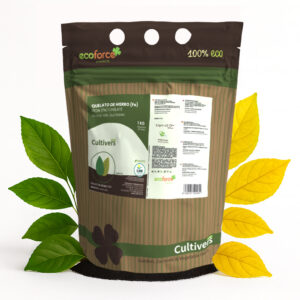
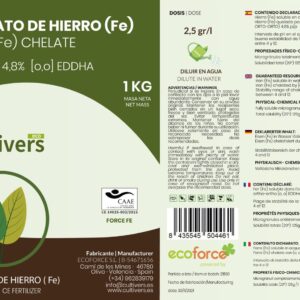
Iron Chelate Fertilizer
9,99 € – 19,99 € -
 Select options This product has multiple variants. The options may be chosen on the product page
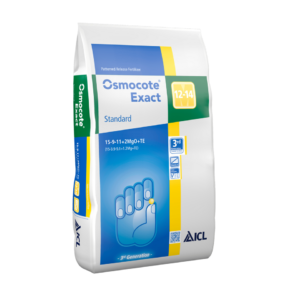
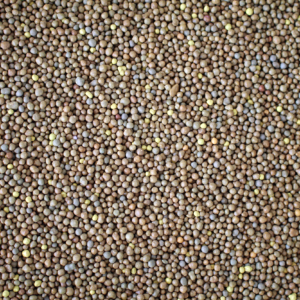
Osmocote slow-release fertilizer
1,99 € – 9,99 € -
SOLD OUT
 Select options This product has multiple variants. The options may be chosen on the product page
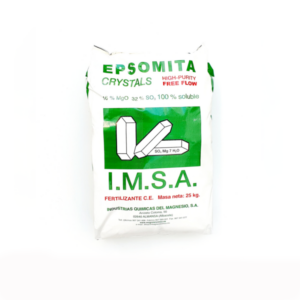
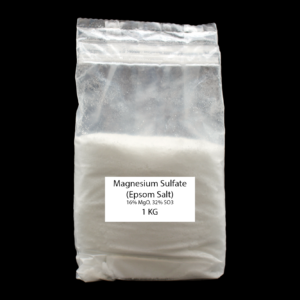
Magnesium Sulfate (Epsom Salt) 1Kg
7,99 €