

Akadama Bonsai soil 2-5 mm hard 1 liter
1,19 €
Akadama Bonsai soil 2-5 mm hard 1 liter
In stock
Description
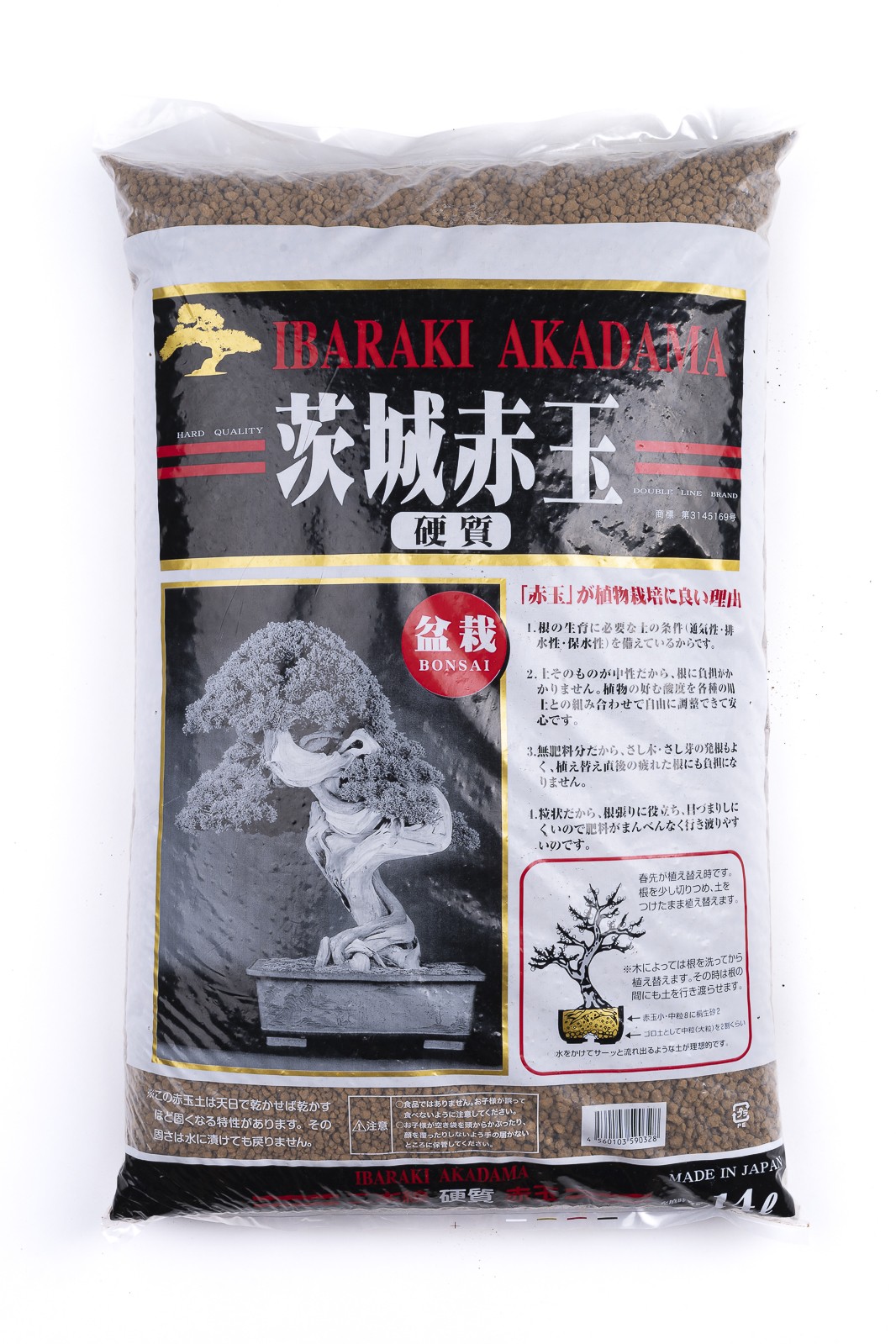
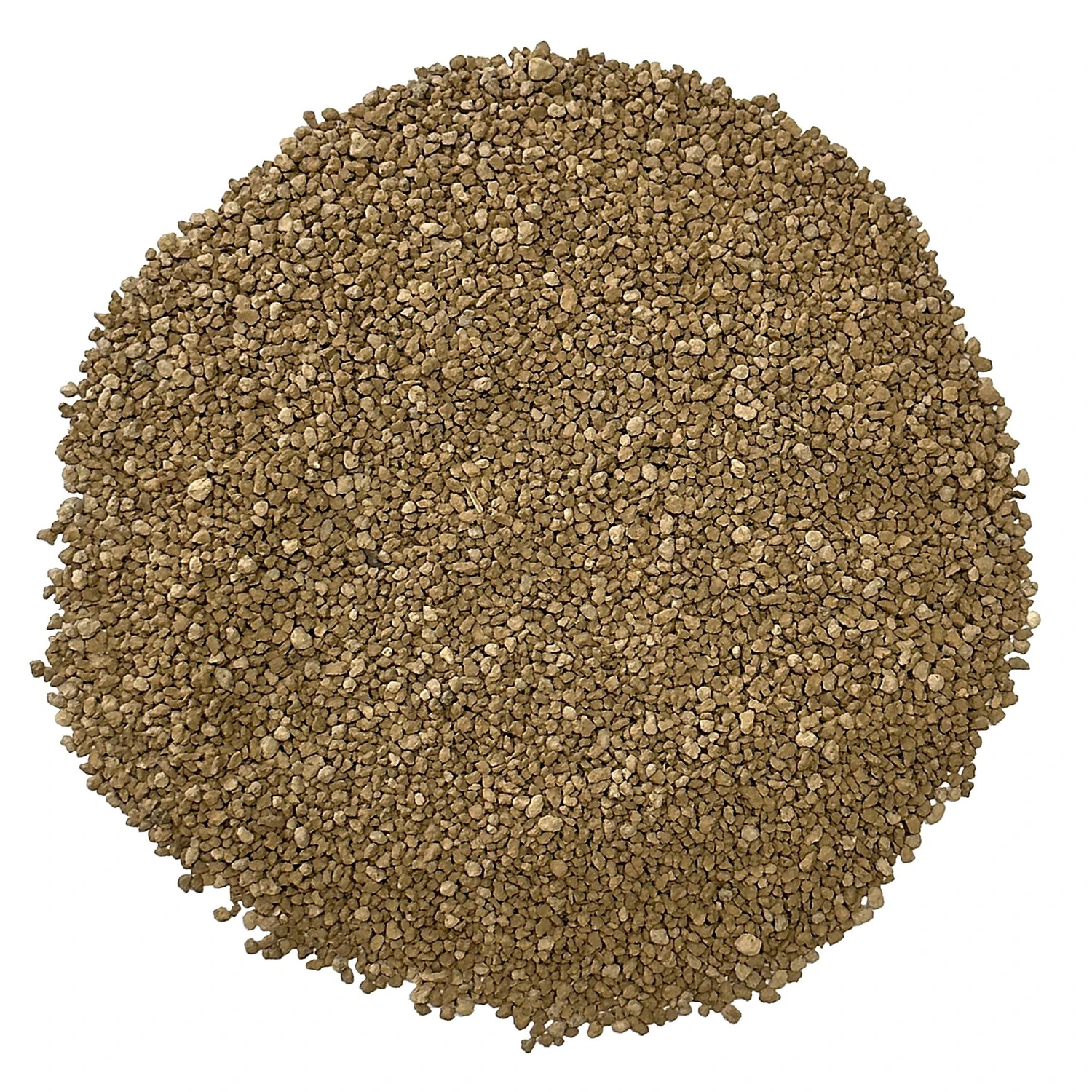
Akadama is one of the most widely used and respected components in bonsai soil mixes. Originating from Japan, it is a naturally occurring, granular clay that has been mined, dried, and sieved into different particle sizes for horticultural use. Its name translates roughly to “red ball earth,” a reference to its reddish-brown color and rounded, granular structure. For bonsai practitioners, akadama is valued not just as a soil component, but as a foundational material that supports root health, moisture balance, and overall tree development.
Akadama’s physical structure is one of its defining characteristics. It consists of small, hard granules that maintain their shape when dry but gradually break down over time when exposed to water and root activity. This balance between stability and gradual decomposition is important. Initially, the granules create a well-aerated environment that allows roots to breathe and grow freely. As the particles slowly soften and break apart, they begin to retain more moisture, providing a steady supply of water to the root system. This dual function makes akadama particularly useful in bonsai, where soil volume is limited and conditions must be carefully controlled.
Water retention is one of akadama’s key strengths. Unlike coarse, inert materials that drain quickly and hold little moisture, akadama absorbs water and releases it gradually. This helps maintain consistent moisture levels around the roots, reducing the risk of both drought stress and overwatering. At the same time, its granular structure ensures that excess water drains away, preventing the soil from becoming compacted or waterlogged. This balance is essential for bonsai trees, which are highly sensitive to fluctuations in soil moisture.
Another important quality of akadama is its ability to support root development. The porous surface of each granule encourages fine root growth, allowing roots to spread evenly throughout the soil. In bonsai cultivation, fine feeder roots are crucial because they absorb water and nutrients efficiently. A well-developed root system leads to stronger growth above the soil, better foliage density, and improved overall health. Akadama creates an environment where these fine roots can thrive, contributing to the long-term success of the tree.
Akadama also plays a role in nutrient management. While it is not a nutrient-rich soil on its own, it has a moderate cation exchange capacity, meaning it can hold and release nutrients provided through fertilization. This allows nutrients to remain available to the plant rather than being washed away with each watering. As a result, fertilization becomes more effective, and the tree receives a steady supply of essential elements over time.
In practice, akadama is rarely used alone. Most bonsai growers combine it with other components such as pumice and lava rock to create a balanced soil mix. Each component contributes different properties: pumice adds aeration and moisture retention, lava rock improves drainage and structural stability, and akadama ties the mix together by balancing water retention and nutrient availability. The exact ratio depends on the species of tree, the climate, and the grower’s watering habits. For example, trees that prefer drier conditions may be grown in mixes with less akadama, while species that require more consistent moisture may benefit from a higher proportion.
Particle size is another important consideration when using akadama. It is typically available in different grades, ranging from fine to coarse. Smaller particles are used for young trees, seedlings, or species that require more moisture retention, while larger particles are preferred for mature bonsai where drainage and airflow are more critical. Using the correct particle size helps maintain the right balance of water and air in the soil, which directly affects root health.
One of the unique aspects of akadama is its gradual breakdown over time. As the particles absorb water and are penetrated by roots, they begin to soften and eventually disintegrate into finer material. This process improves water retention but also reduces drainage and aeration if left unchecked. For this reason, bonsai trees grown in akadama-based soil require periodic repotting. Repotting allows the old, broken-down soil to be replaced with fresh material, restoring the ideal structure for root growth. The frequency of repotting depends on factors such as tree species, age, and growth rate, but it is generally done every two to five years.
The use of akadama is closely tied to traditional Japanese bonsai practices, where it has been used for generations. Its consistent performance and predictable behavior have made it a standard component in many professional bonsai nurseries. However, it is not without limitations. Because it is mined in Japan, it can be relatively expensive and less accessible in some parts of the world. Additionally, lower-quality or poorly fired akadama may break down more quickly, reducing its effectiveness. As a result, growers often seek high-quality sources and may adjust their soil mixes based on availability.
Despite these considerations, akadama remains a preferred material for many bonsai enthusiasts because of the control it offers. In bonsai cultivation, small changes in soil composition can have significant effects on tree health. Akadama provides a reliable foundation that helps stabilize these variables, making it easier to manage watering, fertilization, and root development. Its use allows growers to create a controlled environment that supports both vigorous growth and refined aesthetics.
In terms of visual appearance, akadama also contributes to the presentation of bonsai. Its natural, earthy color complements the tree and the container, creating a harmonious look that aligns with the aesthetic principles of bonsai design. The uniform granules provide a clean surface that highlights the trunk and nebari without distracting from the overall composition.
Over time, the role of akadama in bonsai has expanded beyond traditional practice, influencing soil design worldwide. Many growers outside Japan use it as a benchmark when developing their own soil mixes, even when substituting local materials. Its reputation is built on decades of consistent results, making it one of the most trusted components in bonsai cultivation.
Ultimately, akadama is more than just a soil ingredient. It is a carefully balanced medium that supports the delicate relationship between roots, water, and air. By providing both structure and adaptability, it allows bonsai trees to grow in confined spaces while maintaining health and vitality. For anyone serious about bonsai, understanding how akadama works is a key step toward mastering the art and science of growing miniature trees.
Additional information
| Weight | 1 kg |
|---|
Related products
-

 Select options This product has multiple variants. The options may be chosen on the product page
Iron Chelate Fertilizer
9,99 € – 19,99 € -
 Select options This product has multiple variants. The options may be chosen on the product page
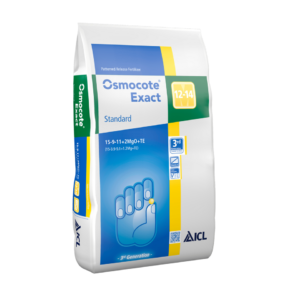
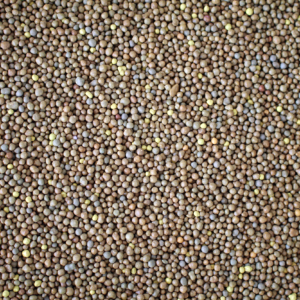
Osmocote slow-release fertilizer
1,99 € – 9,99 € -
 Select options This product has multiple variants. The options may be chosen on the product page
Blaukorn fast-release universal fertilizer
2,99 € – 4,99 €