


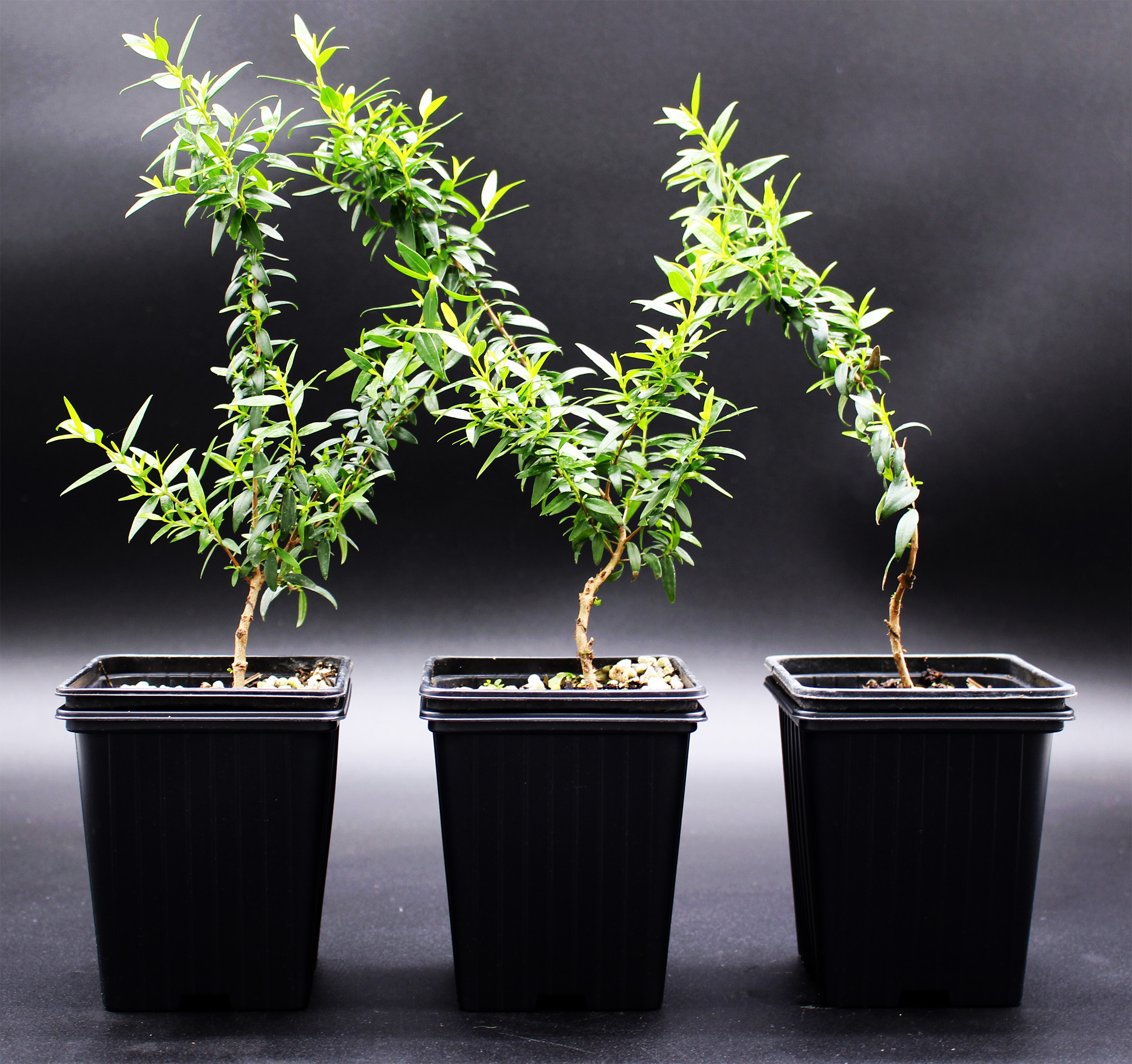
Myrtus Communis Tarentina
4,99 € – 9,99 €
Myrtus Communis Tarentina young plants, 1 trunk
Description
Myrtus communis ‘Tarentina’ is a compact and refined cultivar of the common myrtle, widely appreciated in bonsai for its fine foliage, dense branching, and elegant Mediterranean character. Native to the Mediterranean basin, Myrtus communis has a long cultural history associated with symbolism, fragrance, and ornamental use. The ‘Tarentina’ form, believed to originate from southern Italy, is particularly well suited to bonsai due to its naturally small leaves and tight growth habit, making it easier to create convincing miniature trees.
As a bonsai subject, Myrtus communis ‘Tarentina’ offers a balance between delicacy and structure. The leaves are small, narrow, and glossy, typically a rich dark green. When crushed, they release a subtle aromatic scent, a reminder of the plant’s essential oil content. This fine foliage allows for excellent scale in bonsai design, enabling the creation of compact canopies that appear proportionate even on smaller trees. Compared to the standard species, ‘Tarentina’ produces shorter internodes, which helps maintain tighter branching and reduces the need for constant pruning.
The trunk of this cultivar develops slowly but steadily. In young plants, it is smooth and light gray, gradually becoming more textured with age. While it does not produce the rugged bark seen in species like pine or juniper, it can still convey maturity through gentle taper and branching structure. Over time, careful cultivation can produce a trunk with subtle movement, giving the bonsai a natural and balanced appearance. The overall impression is one of refinement rather than ruggedness, making it particularly suitable for classical or formal bonsai styles.
Branching is one of the strengths of Myrtus communis ‘Tarentina’. It responds well to pruning, producing multiple new shoots from cut points. This allows the grower to build a dense network of fine branches, which is essential for creating layered foliage pads. With regular maintenance, the canopy becomes compact and well defined, enhancing the illusion of a mature tree in miniature form. Because of its naturally bushy habit, it is easier to achieve fullness without excessive intervention.
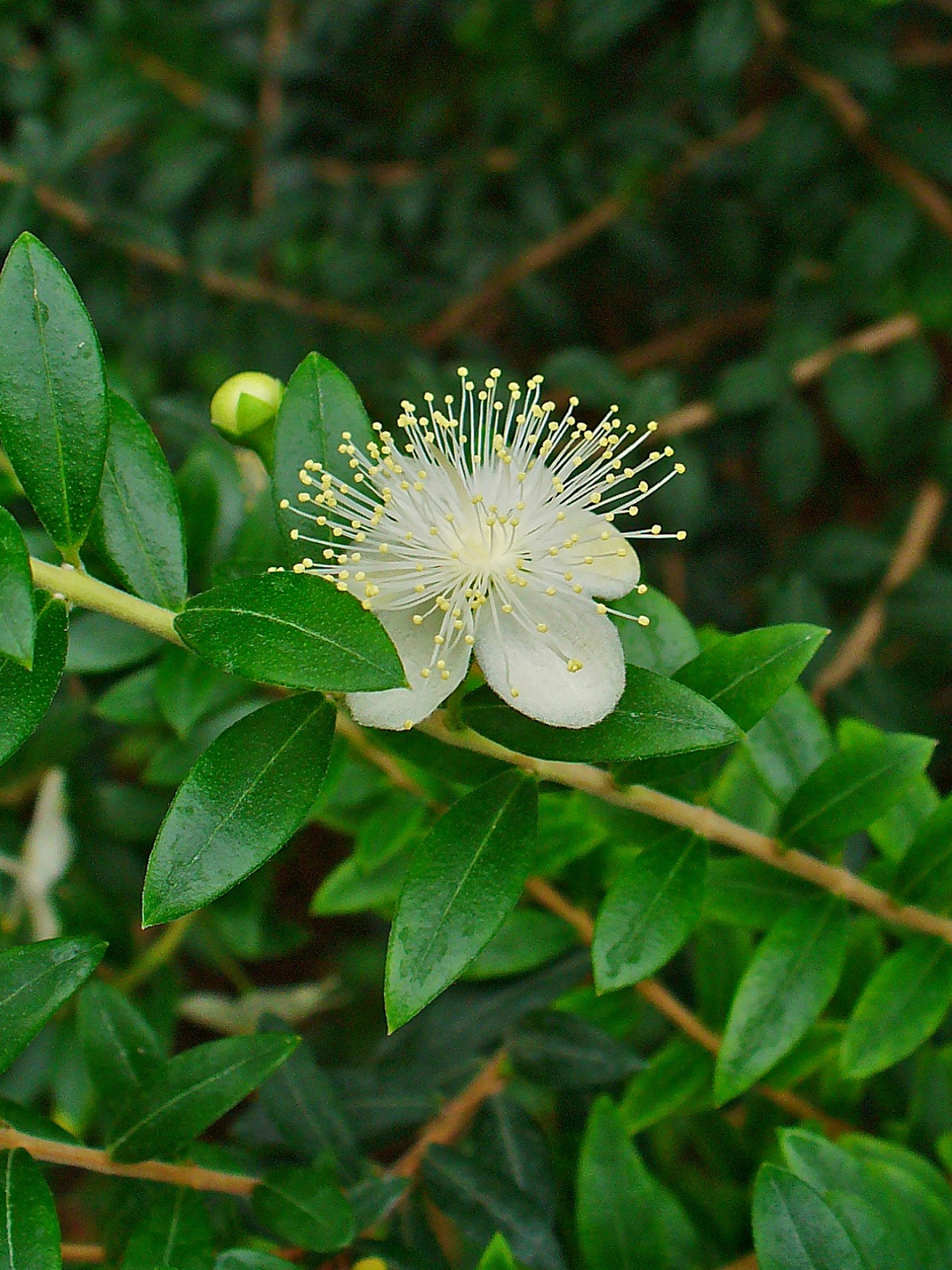
Another attractive feature of this species is its seasonal interest. In late spring to summer, the plant produces small white flowers with prominent stamens. These flowers are delicate but striking, adding a soft contrast to the dark green foliage. Following flowering, small round berries may develop, turning from green to dark purple or black as they ripen. While not always present on bonsai specimens due to frequent pruning, both flowers and fruits can be encouraged with careful timing and reduced trimming during the flowering period.
Cultivating Myrtus communis ‘Tarentina’ as a bonsai requires attention to its Mediterranean origins. It thrives in bright light and prefers full sun when possible. Adequate sunlight promotes compact growth, strong branching, and healthy leaf color. In lower light conditions, the plant may become leggy, with longer internodes and weaker structure. For indoor growers, placing the tree near a bright window or supplementing with grow lights is often necessary.
Watering should be consistent but balanced. Unlike succulents, myrtle prefers evenly moist soil, but it does not tolerate waterlogging. The soil should be allowed to dry slightly between waterings, ensuring that the roots receive both moisture and oxygen. During hot weather, more frequent watering may be required, while in cooler months, watering can be reduced. Maintaining this balance is key to preventing stress or root issues.
A well-draining bonsai soil mix is essential. A combination of akadama, pumice, and lava rock works well, providing both moisture retention and aeration. Organic components can be added in small amounts to support nutrient availability, but the overall structure of the soil should prioritize drainage. Repotting is typically carried out every two to three years for younger trees and less frequently for older specimens. During repotting, roots can be pruned to maintain a compact system and encourage the development of a good nebari, or surface root spread.
Pruning is central to shaping this bonsai. Regular trimming of new shoots encourages branching and helps maintain the desired silhouette. Cuts are usually made just above a pair of leaves, prompting the plant to produce new growth from that point. Because the plant responds vigorously, it is possible to refine the structure relatively quickly compared to slower-growing species. However, care should be taken not to over-prune during periods when flowering is desired, as this can reduce bloom production.
Wiring can be used to guide branch placement, especially in the early stages of development. Young branches are flexible and respond well to gentle shaping. As they mature, they become more rigid, and adjustments must be made with care to avoid breakage. In many cases, clip-and-grow techniques are sufficient to achieve natural movement without extensive wiring.
Fertilization supports healthy growth and flowering. During the growing season, a balanced fertilizer applied regularly will encourage strong development. Organic fertilizers are often preferred for their gradual release of nutrients and their contribution to soil health. Feeding can be reduced in autumn and winter when growth slows.
Myrtus communis ‘Tarentina’ is generally resilient but may occasionally encounter pests such as aphids or scale insects, particularly in indoor environments. Regular inspection and prompt treatment help maintain plant health. Good airflow and proper watering practices also reduce the risk of fungal issues.
In terms of style, this species is well suited to informal upright, broom, and multi-trunk designs. Its fine branching and compact foliage make it ideal for smaller bonsai, including shohin sizes. The overall aesthetic tends toward elegance and balance rather than rugged drama, making it a favorite for those who appreciate subtlety in bonsai design.
Over time, a well-cultivated Myrtus communis ‘Tarentina’ bonsai develops a graceful presence. Its dense canopy, delicate flowers, and refined structure combine to create a tree that reflects the calm and timeless beauty of Mediterranean landscapes. While it may not have the bold features of some other bonsai species, it offers a quiet sophistication that rewards careful attention and long-term dedication.
Scientific name: Myrtus Communis Tarentina
Common Name: Tarentina Myrtle
Origin: Spain
Available sizes: 5 – 30 cm
Age: 2 – 3 years
Delivery form: pot 9 x 9 x 10 cm
Additional information
| Weight | 0,3 kg |
|---|---|
| Size | 5-10cm, 10-20cm, 20-30cm |
Related products
-
 Select options This product has multiple variants. The options may be chosen on the product page
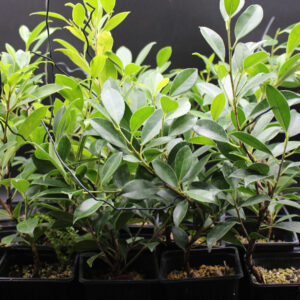
Pinus Thunbergii – Japanese black pine
19,99 € – 29,99 € -
 Select options This product has multiple variants. The options may be chosen on the product page
Ficus Microcarpa ‘Tiger Bark’
39,99 € – 49,99 € -
SOLD OUT
 Select options This product has multiple variants. The options may be chosen on the product page
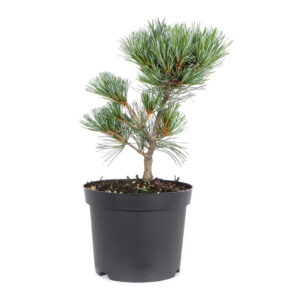
Pinus Parviflora – Japanese white pine
29,99 € – 39,99 € -
 Select options This product has multiple variants. The options may be chosen on the product page
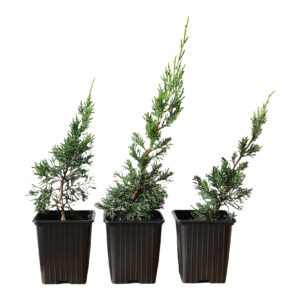
Juniperus Chinensis Kishu – Chinese Kishu Juniper
9,99 € – 79,99 €