

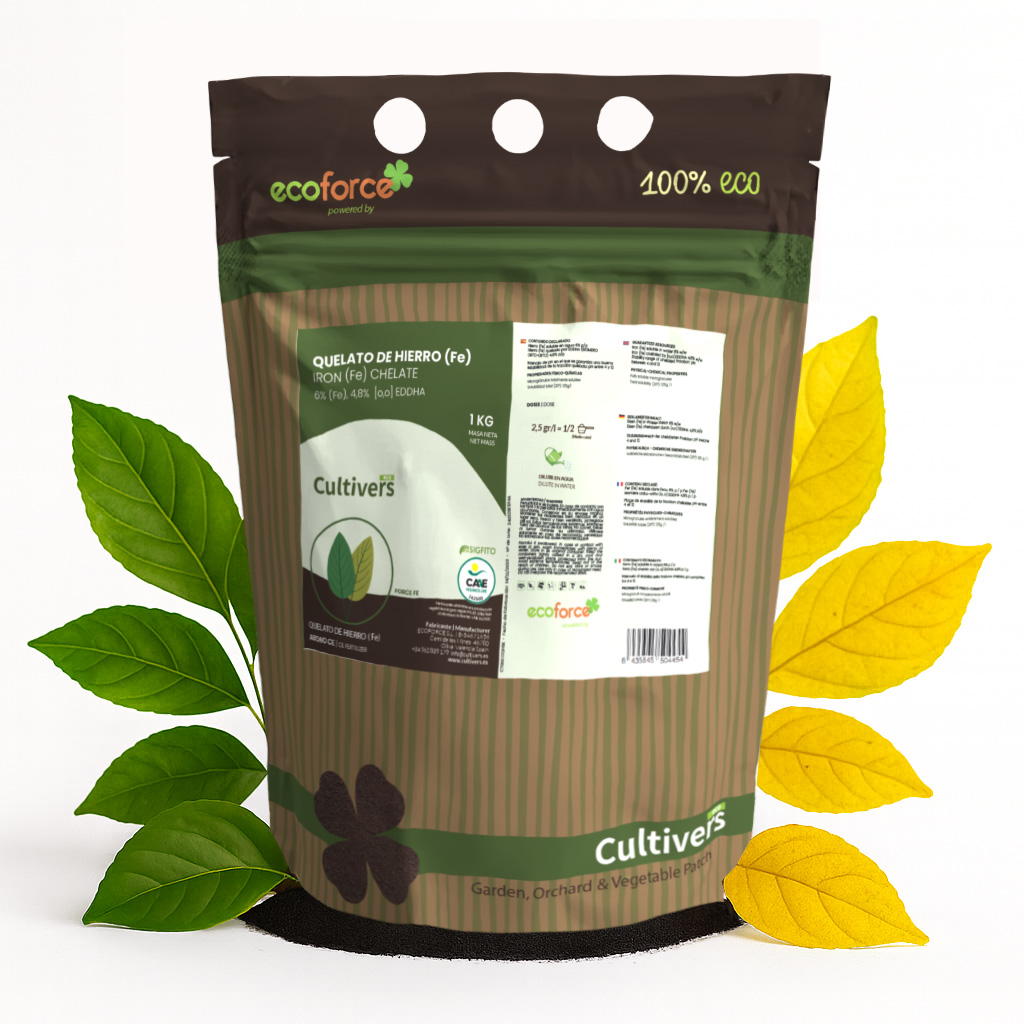
Iron Chelate Fertilizer
9,99 € – 19,99 €
Iron Chelate Fertilizer
Description
Iron chelate is a specialized form of iron used in gardening and agriculture to correct and prevent iron deficiency in plants. Iron is an essential micronutrient required for healthy plant growth, but in many soils it becomes chemically unavailable to roots, even when iron is physically present in the ground. Iron chelates solve this problem by binding iron ions to organic molecules that keep the nutrient stable and accessible for plant uptake. As a result, iron chelate products are widely used to restore green foliage, improve plant vigor, and support healthy growth in ornamental plants, vegetables, fruit trees, lawns, and bonsai.
Iron plays a critical role in plant physiology. It is involved in chlorophyll production, photosynthesis, respiration, and enzyme activity. Although iron itself is not part of the chlorophyll molecule, it is necessary for the processes that allow chlorophyll to form. Without enough available iron, plants cannot produce sufficient chlorophyll, leading to pale or yellow foliage. This condition is known as iron chlorosis and is one of the most common nutrient deficiencies encountered in gardening.
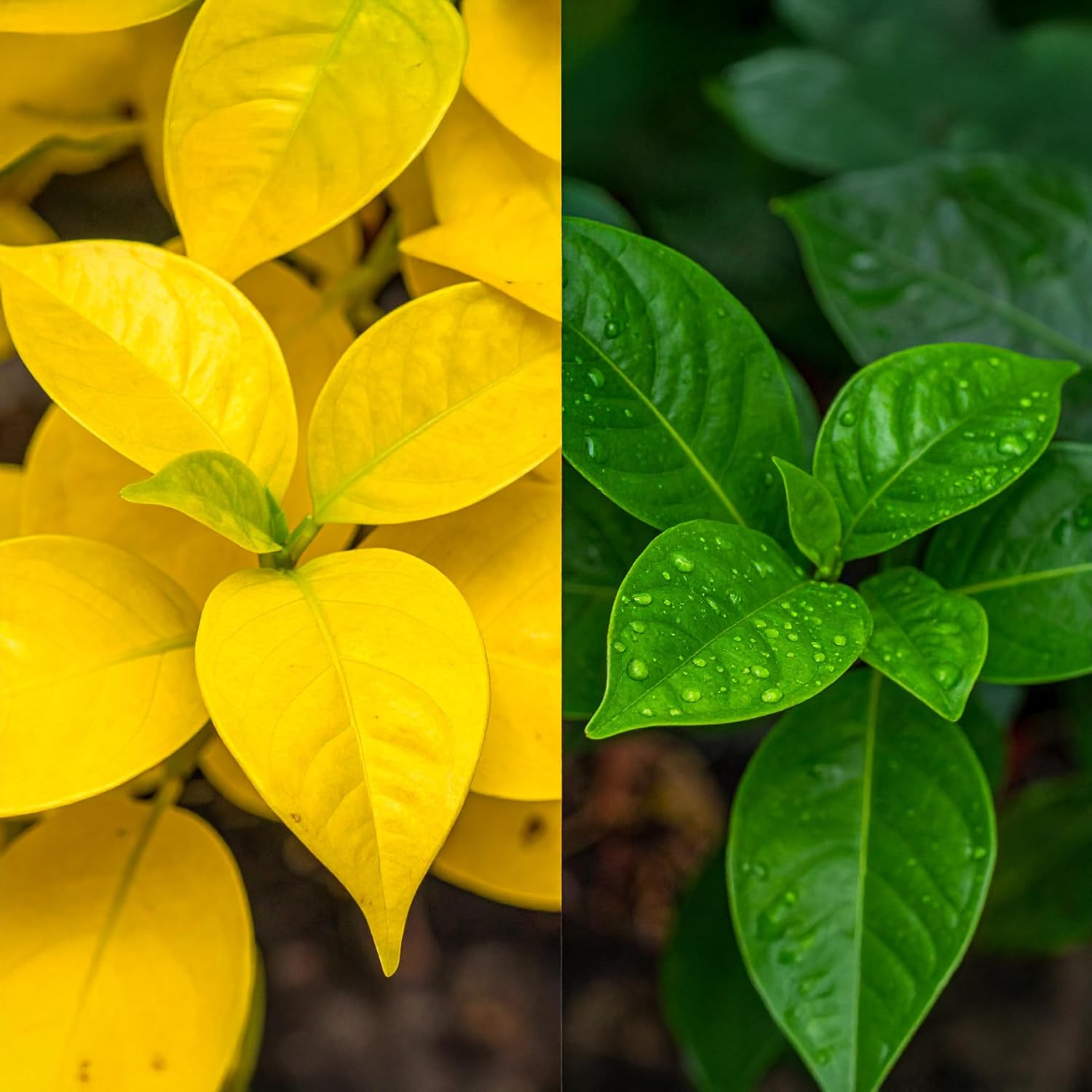
Iron chlorosis typically appears first on young leaves. The leaf tissue turns yellow while the veins remain green, creating a distinct contrast known as interveinal chlorosis. In severe cases, leaves may become almost white, growth may slow dramatically, and branches can weaken or die back. Sensitive species such as citrus trees, camellias, roses, gardenias, azaleas, Japanese maples, and many bonsai species are particularly prone to iron deficiency when grown in alkaline or poorly balanced soils.
The problem often arises not because the soil lacks iron, but because the iron is chemically locked away. High soil pH is one of the main causes. In alkaline soils, especially those rich in lime or calcium carbonate, iron converts into insoluble compounds that plant roots cannot absorb. Overwatering, compacted soils, poor drainage, cold temperatures, and excessive phosphorus can also reduce iron availability.
Iron chelates address this issue by surrounding the iron ion with a chelating agent, which protects it from reacting with soil minerals. This keeps the iron soluble and available for uptake even in difficult soil conditions. Different types of chelating agents are used depending on soil pH and intended application. Common forms include EDTA, DTPA, and EDDHA chelates.
EDTA-chelated iron is often used in slightly acidic to neutral soils, but it becomes less effective in strongly alkaline conditions. DTPA offers better stability at moderately high pH levels. EDDHA chelated iron is considered one of the most effective forms for alkaline soils because it remains stable and available even at very high pH levels. This makes it especially valuable in regions with calcareous or limestone-based soils where iron chlorosis is a persistent problem.
Iron chelate products are available in several forms, including powders, granules, liquids, and water-soluble concentrates. Gardeners can apply them directly to the soil, mix them into irrigation systems, or use them as foliar sprays. Soil applications are generally preferred for long-term correction because they improve iron availability around the root zone. Foliar sprays provide faster visual results because leaves absorb the iron directly, but the effects are often temporary and may require repeated applications.
When applied correctly, iron chelate can produce noticeable improvements within days or weeks. Yellow leaves begin to regain their green color as chlorophyll production resumes, and overall plant vigor improves. New growth appears healthier and stronger, while flowering and fruiting may also benefit from restored nutrient balance.
In gardening, iron chelate is especially useful for ornamental plants that require acidic conditions but are grown in alkaline soils. Acid-loving species such as hydrangeas, rhododendrons, camellias, and azaleas frequently develop chlorosis when soil pH rises too high. Iron chelate allows gardeners to manage these deficiencies without immediately replacing the soil or dramatically altering soil chemistry.
Lawns also benefit from iron chelate applications. Turfgrass treated with iron often develops a richer green color without the excessive growth caused by high nitrogen fertilizers. For this reason, iron chelates are commonly included in lawn care programs where cosmetic greening is desired alongside balanced growth.
Fruit trees such as citrus, peach, pear, and apple may also suffer from iron deficiency, particularly in alkaline regions. Chlorosis in fruit trees can reduce photosynthesis, weaken growth, and lower fruit quality. Soil-applied chelated iron helps maintain healthy foliage and supports stronger crop production.
In bonsai cultivation, iron chelate plays an important role because bonsai trees grow in confined soil volumes where nutrient balance can change quickly. Trees in bonsai containers are often watered frequently, which can gradually alter soil chemistry and reduce nutrient availability. Species such as Japanese maple, azalea, olive, and Chinese elm may develop chlorosis if iron becomes unavailable. Chelated iron provides a controlled way to restore healthy green foliage without disrupting the delicate root system.
Iron chelate also supports plants grown in containers, raised beds, and hydroponic systems. In container gardening, limited soil volume means nutrients can become depleted or chemically imbalanced faster than in open ground. Hydroponic systems rely entirely on dissolved nutrients, making stable iron sources essential for healthy growth. Chelated iron remains soluble in water-based systems and prevents deficiencies that would otherwise appear rapidly.
Despite its benefits, iron chelate should be used carefully. Excessive application does not necessarily improve plant health and may create nutrient imbalances. Overuse can sometimes interfere with the uptake of other micronutrients such as manganese or zinc. It is important to follow product recommendations and confirm that symptoms are truly caused by iron deficiency rather than other issues such as root damage, overwatering, or nitrogen deficiency.
Gardeners should also remember that iron chelate treats symptoms but may not fully solve the underlying cause. If soil pH remains excessively high, chlorosis may return over time. Long-term solutions may involve improving soil structure, adding organic matter, adjusting irrigation practices, or acidifying the soil gradually through sulfur or acidic amendments.
Environmental conditions influence the effectiveness of iron chelate applications. Warm temperatures and active plant growth improve uptake, while cold or waterlogged soils reduce root activity. Timing applications during active growth periods generally produces the best results.
One of the reasons iron chelate remains so widely used is its reliability. Unlike raw iron compounds that quickly become insoluble in difficult soils, chelated iron provides predictable availability across a wide range of conditions. This makes it one of the most dependable tools for correcting chlorosis and maintaining healthy foliage.
In modern gardening, iron chelate represents the intersection of chemistry and plant care. It allows gardeners to work with challenging soils while still growing healthy, vibrant plants. Whether restoring the deep green foliage of a chlorotic bonsai, improving the appearance of a lawn, or supporting fruit production in citrus trees, iron chelate has become an essential component of practical horticulture. Its ability to make iron accessible where nature cannot explains why it remains one of the most important micronutrient products in gardening today.
What to do about yellow plant leaves?
Yellow leaves in plants are often a sign of stress or nutrient imbalance, and one of the most common causes is iron chlorosis. Iron chlorosis occurs when a plant cannot absorb enough available iron to produce chlorophyll, the green pigment essential for photosynthesis. Although iron is only needed in small amounts, it plays a critical role in plant health, growth, and energy production. Without enough accessible iron, leaves lose their rich green color and begin to turn pale or yellow.
The most recognizable symptom of iron chlorosis is interveinal yellowing. This means the tissue between the leaf veins becomes yellow while the veins themselves remain green. The condition usually appears first on young leaves because iron is an immobile nutrient within the plant. Older leaves may remain green while the newest growth becomes increasingly pale. In severe cases, leaves may turn almost white, edges may brown or dry out, and overall plant growth can become weak and stunted.
Iron chlorosis is common in many ornamental and garden plants, especially those that prefer acidic soil conditions. Species such as citrus trees, roses, gardenias, camellias, azaleas, hydrangeas, and Japanese maples are particularly sensitive. Bonsai trees can also develop chlorosis because they grow in confined containers where nutrient balance changes quickly.
The problem is often caused not by a lack of iron in the soil, but by the plant’s inability to absorb it. High soil pH is the main reason. In alkaline or lime-rich soils, iron becomes chemically locked into insoluble forms that roots cannot take up. Overwatering, poor drainage, compacted soil, damaged roots, and excessive phosphorus can also interfere with iron absorption. Even when iron is physically present, the plant effectively behaves as though it is deficient.
Iron chelate is one of the most effective treatments for iron chlorosis. Chelated iron is a specially formulated form of iron bound to organic molecules that keep it soluble and available for plant uptake. This protective coating prevents the iron from reacting with soil minerals that would otherwise make it inaccessible.
Iron chelate can be applied in several ways. Soil applications are commonly used for long-term correction, allowing roots to absorb the nutrient gradually over time. Liquid or powdered chelates are mixed with water and applied around the root zone. Foliar sprays can also be used to deliver iron directly to the leaves for faster visual improvement, though the effect is usually temporary.
After treatment with iron chelate, plants often begin showing improvement within days or weeks. New leaves emerge greener, chlorophyll production increases, and overall vigor improves. Existing yellow leaves may not fully recover if damage is severe, but healthy new growth is usually a clear sign that the treatment is working.
For best results, iron chelate treatment should be combined with improvements to soil conditions. Lowering soil pH through organic matter or sulfur amendments can make iron naturally more available over time. Improving drainage and avoiding excessive watering also help roots function properly.
Iron chlorosis is a common but manageable problem in gardening. By recognizing the signs early and applying iron chelate correctly, gardeners can restore healthy green foliage and support stronger, more vigorous plant growth.
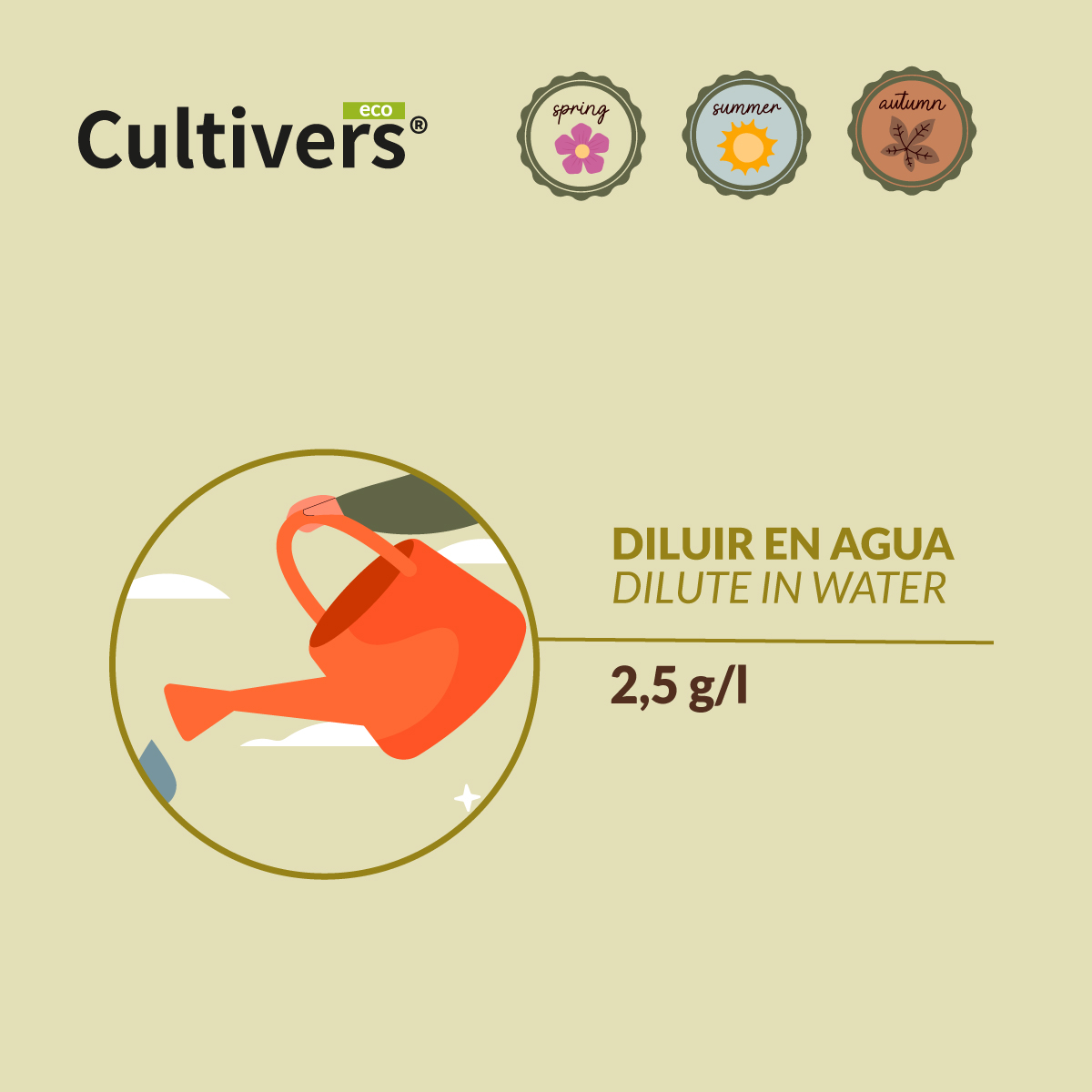
Dosage:
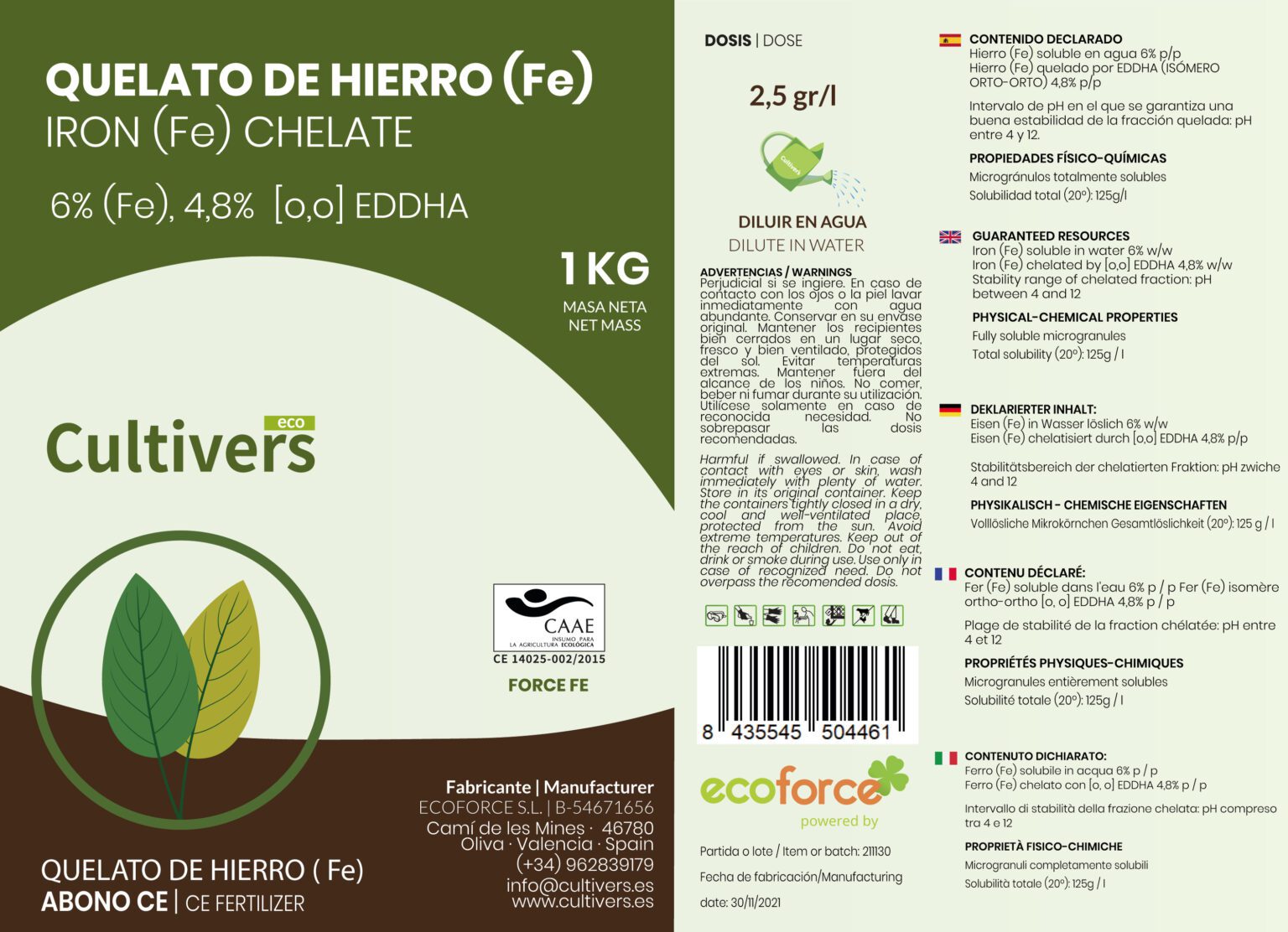
2.5 grams per 1 liter of water
Water the affected plants near the roots and repeat the process every 3 weeks until the plants regain their natural green color.
Additional information
| Weight | N/A |
|---|---|
| Quantity | 250 Grams, 1 Kg |
Related products
-
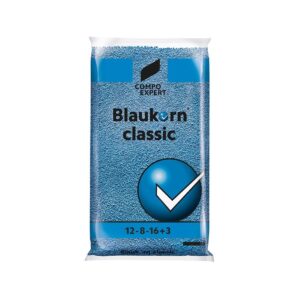 Select options This product has multiple variants. The options may be chosen on the product page
Blaukorn fast-release universal fertilizer
2,99 € – 4,99 €