

Ulmus Parvifolia – Chinese Elm
4,99 € – 9,99 €
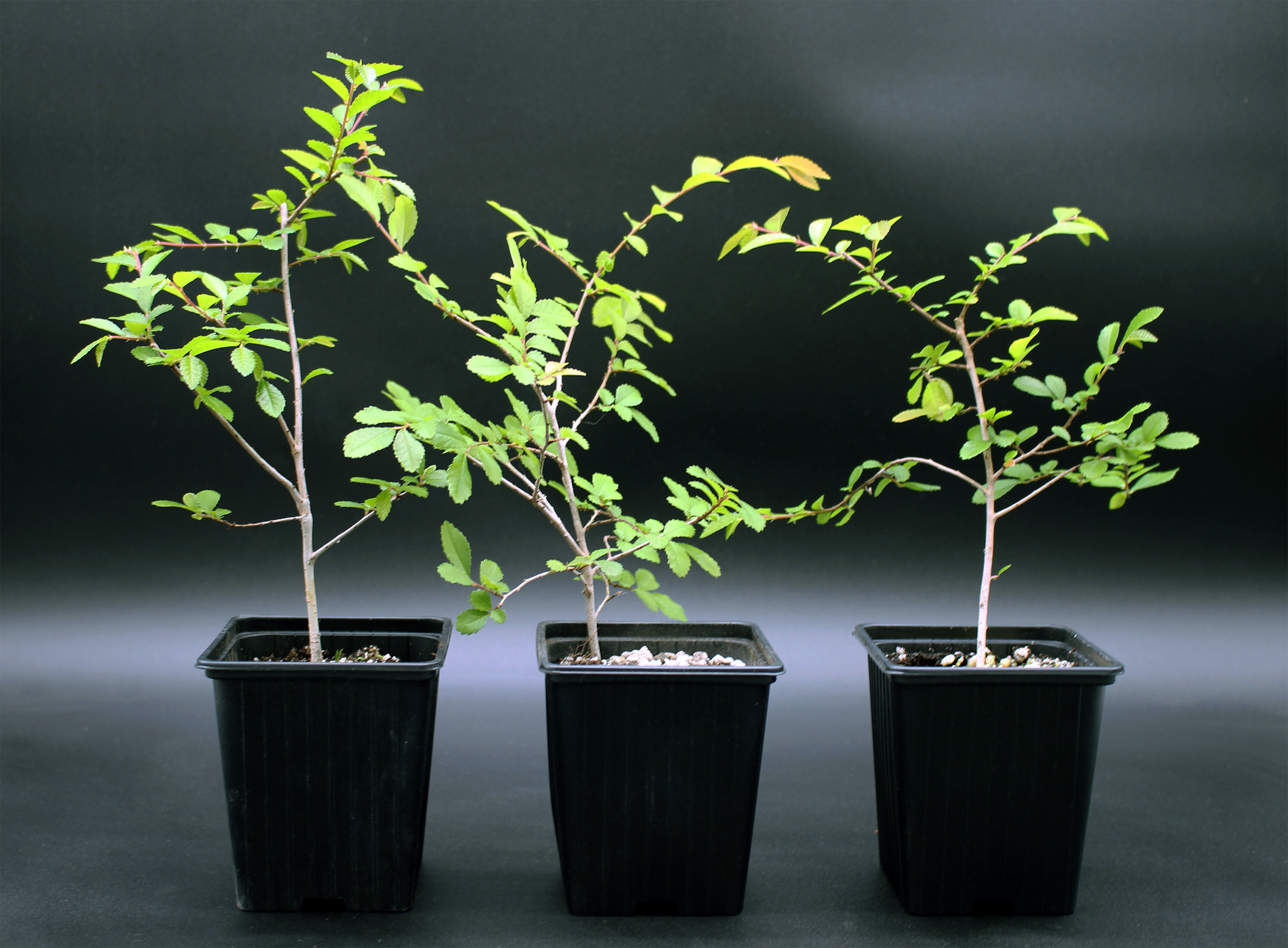
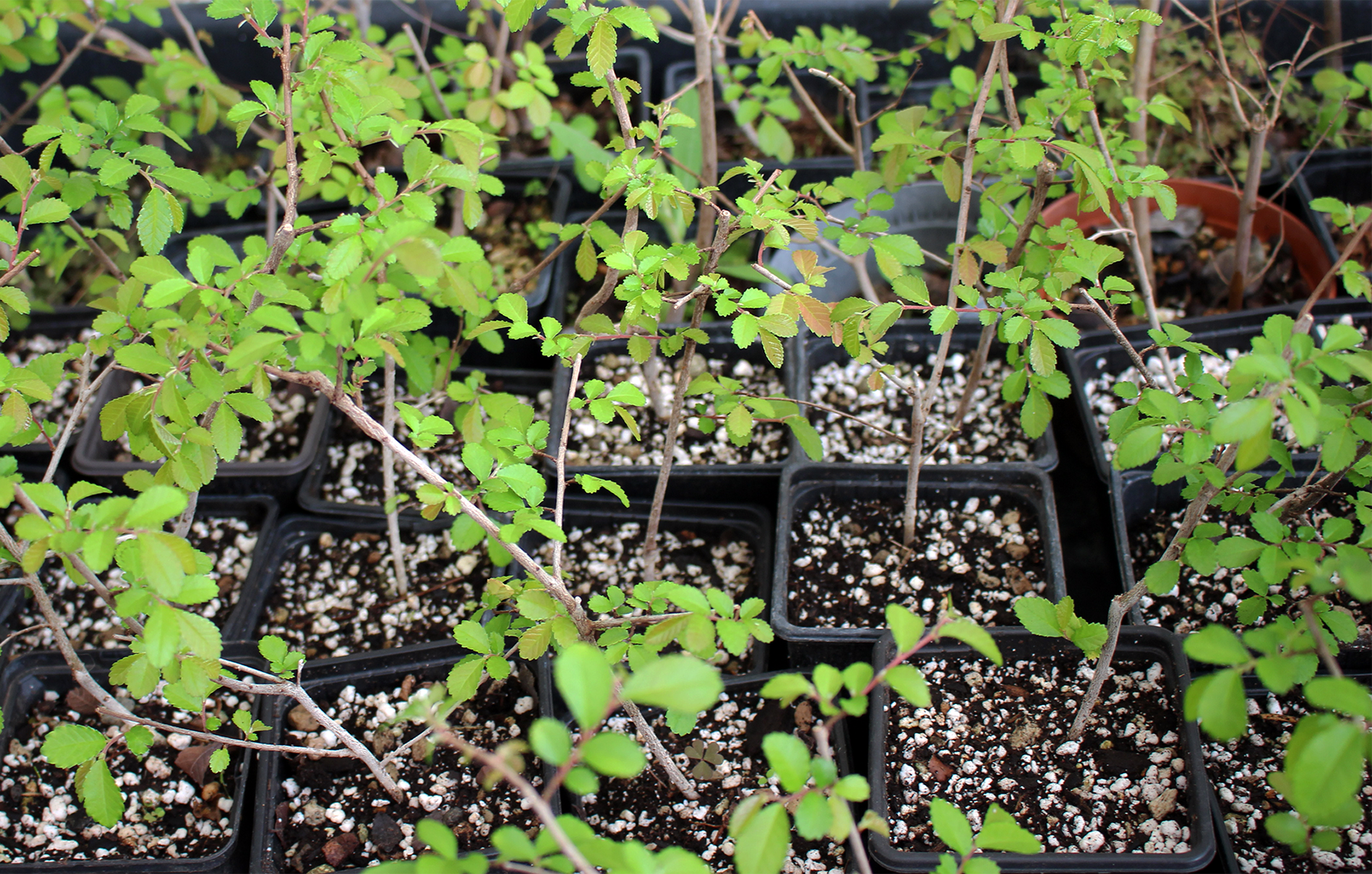
Ulmus Parvifolia – Chinese Elm young plants, 10-30 cm
Description
Ulmus parvifolia, commonly known as Chinese elm, is one of the most respected and widely cultivated species in the world of bonsai. Its combination of fine branching, naturally small leaves, textured bark, and strong adaptability makes it suitable for both beginners and advanced practitioners. Few deciduous species offer the same balance of elegance, resilience, and long-term artistic potential.
As a bonsai subject, Chinese elm stands out because it naturally lends itself to miniaturization. The leaves are typically small, usually one to two inches long in landscape specimens, and they reduce even further with proper bonsai techniques such as regular pruning and controlled feeding. This leaf reduction is essential in bonsai design because it maintains proportional scale between foliage and trunk. With consistent care, the tree develops dense ramification, meaning a fine network of twigs and secondary branches that create a refined canopy structure.
One of the most admired features of Ulmus parvifolia in bonsai is its bark. As the tree matures, the bark exfoliates in patches, revealing mottled tones of gray, orange, green, and brown underneath. Even relatively young bonsai can begin to show this peeling characteristic, which adds immediate visual age and texture. In bonsai, the illusion of age is everything. Thick trunks, surface roots, taper, and bark character all contribute to this effect, and Chinese elm delivers on each of these points with time and proper cultivation.
Chinese elm is also prized for its adaptability. It can be grown outdoors in temperate climates and tolerates a wide range of environmental conditions. While it prefers full sun to partial shade, it can adjust to different light levels as long as it receives adequate brightness. In colder regions, it behaves as a deciduous tree, shedding leaves in autumn and entering dormancy. In milder climates, it may retain part of its foliage and act semi-evergreen. This flexibility makes it accessible to growers across many geographic areas.
In bonsai training, Ulmus parvifolia responds well to pruning. It backbuds readily, meaning it produces new shoots from older wood when cut back properly. This is a critical trait because it allows the artist to correct mistakes, refine branch placement, and build dense canopy structure over time. Structural pruning is typically done in late winter before new growth begins, while maintenance pruning continues throughout the growing season to control shape and encourage finer branching.
Wiring is another important technique in bonsai styling, and Chinese elm accommodates it well. Young branches are flexible and easy to shape. As they mature, they stiffen and hold their position. Care must be taken to monitor wire marks because the bark, especially on younger trees, can scar if wire is left on too long. Many growers combine wiring with clip-and-grow methods, allowing natural curves to form through selective pruning rather than heavy bending.
Root development plays a central role in bonsai aesthetics, and Ulmus parvifolia performs reliably in this area. With proper repotting practices, it develops an attractive nebari, or surface root spread. A strong nebari anchors the tree visually and enhances the sense of stability and age. Repotting is typically done every two to three years for younger trees and every three to five years for mature specimens. During repotting, roots are pruned carefully to maintain a compact root system that fits within a shallow bonsai container.
Soil choice is crucial. Chinese elm thrives in well-draining bonsai mixes that allow oxygen to reach the roots while retaining sufficient moisture. A mix containing akadama, pumice, and lava rock is common, though regional substitutes can work as long as drainage remains excellent. Overly dense or waterlogged soil can lead to root rot, one of the few serious threats to this otherwise hardy species.
Watering practices must balance consistency with restraint. The soil should be allowed to approach dryness between waterings but never fully dry out for extended periods. During active growth in spring and summer, the tree may require daily watering, especially in small pots. In winter dormancy, watering frequency decreases significantly.
Fertilization supports healthy growth and ramification. During the growing season, a balanced fertilizer applied regularly encourages steady development. For trees in refinement stages, lighter feeding helps prevent overly coarse growth and keeps leaves small. Organic fertilizers are often favored because they release nutrients gradually and promote soil health.
Chinese elm adapts to many bonsai styles. It excels in informal upright designs, where gentle curves in the trunk mimic natural growth patterns. It also suits broom style, which emphasizes a straight trunk with radiating branches forming a rounded crown. Slanting and literati styles are possible as well, especially with collected or prebonsai material that already has interesting trunk movement. Because of its fine twigging, it can even be developed into smaller shohin bonsai while still maintaining convincing proportions.
Seasonal changes add to its appeal. In spring, fresh green leaves emerge with vigor. Summer brings dense foliage and refined pads. Autumn may produce yellow or golden tones before leaf drop. In winter, the bare branching structure becomes the focal point, revealing the intricate ramification built over years of training. This seasonal rhythm keeps the tree visually engaging year-round.
Pest resistance is another advantage. While Chinese elm can occasionally attract aphids, spider mites, or scale insects, it is generally robust. Proper airflow, hygiene, and monitoring prevent most issues. It also shows notable resistance to Dutch elm disease, which devastated other elm species in the past. This resilience contributes to its popularity in both bonsai and landscape cultivation.
Ultimately, Ulmus parvifolia embodies many of the qualities bonsai artists seek: durability, responsiveness, fine detail, and aging character. It allows for creative expression while forgiving minor mistakes. Over time, with disciplined pruning, thoughtful shaping, and attentive care, it can transform into a miniature tree that feels ancient and grounded. Its textured bark, elegant branching, and seasonal shifts combine to create a bonsai that reflects both strength and refinement. For many enthusiasts, Chinese elm is not just a reliable species but a lifelong companion in the practice of bonsai artistry.
Scientific name: Ulmus Parvifolia
Common Name: Chinese Elm
Origin: China, Korea, Japan
Available sizes: 10 – 30 cm
Age: 2 – 4 years
Delivery form: pot 9 x 9 x 10 cm
Additional information
| Weight | N/A |
|---|---|
| Size | 10-20cm, 20-30cm |
Related products
-
 Select options This product has multiple variants. The options may be chosen on the product page
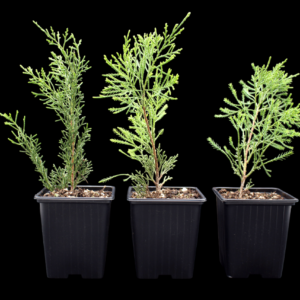
Juniperus Chinensis Sargentii – Chinese Sargent Juniper
7,99 € – 14,99 € -
SOLD OUT
 Select options This product has multiple variants. The options may be chosen on the product page
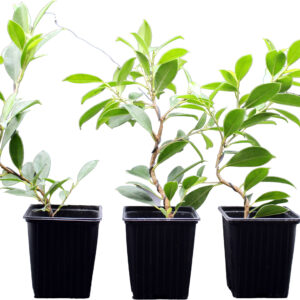
Ficus Microcarpa ‘Tiger Bark’
19,99 € -
 Select options This product has multiple variants. The options may be chosen on the product page
Juniperus Chinensis Kishu – Chinese Kishu Juniper
9,99 € – 79,99 €