


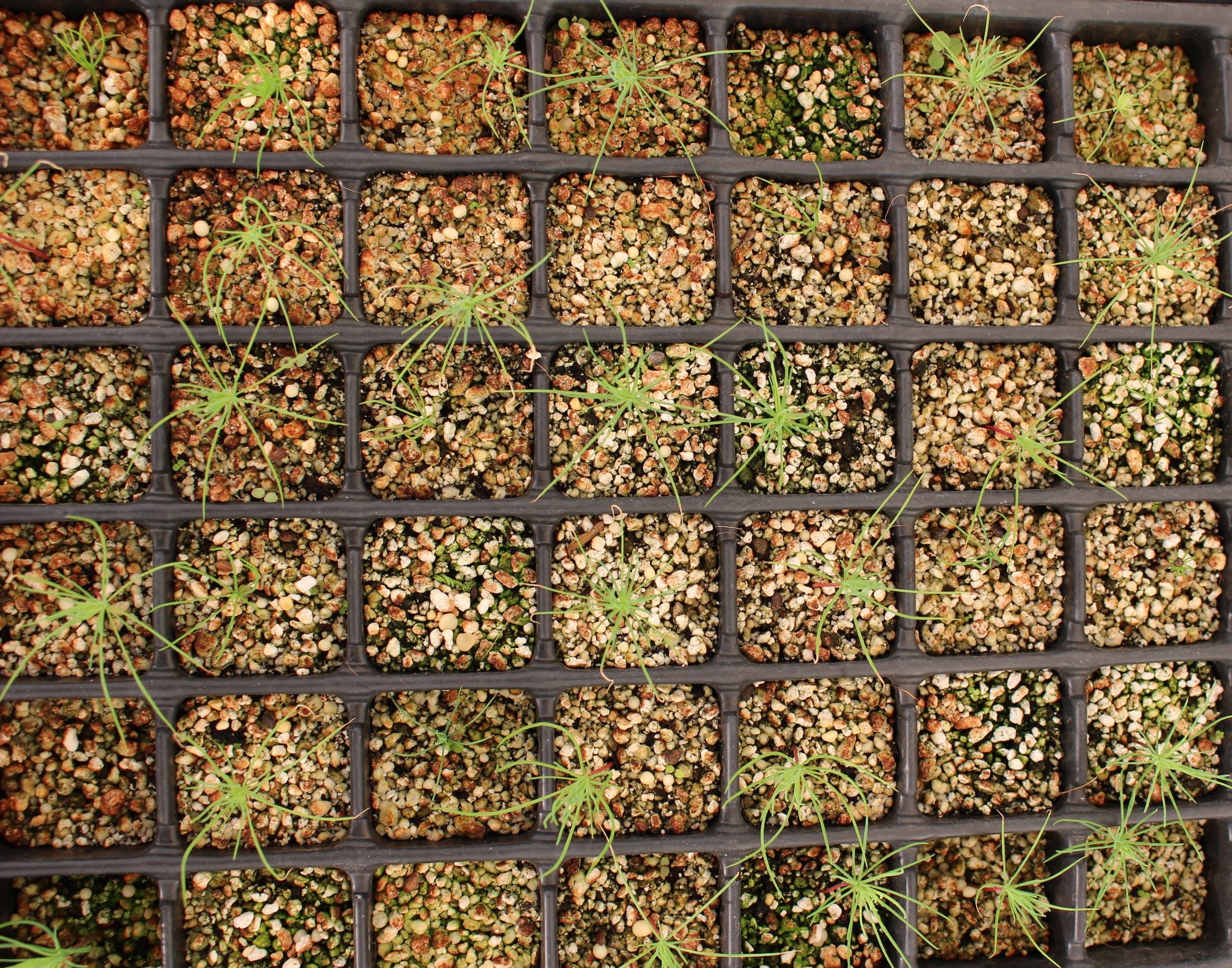
Pinus Thunbergii Seeds – Japanese Black Pine Seeds
9,99 € – 49,99 €
Pinus Thunbergii Seeds (Japanese Black Pine Seeds)
Description
How to Grow a Bonsai from Japanese Black Pine Seeds
Growing a bonsai from Japanese Black Pine (Pinus thunbergii) seeds is a rewarding and engaging process that allows you to create a miniature tree from scratch. Japanese Black Pine is renowned for its rugged bark, needle-like foliage, and resilience, making it a popular choice for bonsai enthusiasts. This guide will take you through the steps of germinating, planting, and nurturing Japanese Black Pine bonsai from seeds.
Step 1: Obtaining Quality Seeds
To start your journey, you need high-quality Japanese Black Pine seeds. Ensure you purchase seeds from a reputable supplier to guarantee their viability. Fresh seeds have a higher germination rate, so always check the date of harvest before buying.
Step 2: Stratification Process
Japanese Black Pine seeds require stratification, a process that mimics the natural winter conditions necessary for seed germination.
Cold Stratification
- Prepare the Seeds: Soak the seeds in water for 24 hours. Discard any seeds that float, as they are likely not viable.
- Moist Medium: Place the soaked seeds in a moist medium, such as a mix of peat moss and sand. Ensure the medium is damp but not waterlogged.
- Refrigeration: Put the seeds and the moist medium into a plastic bag and seal it. Store the bag in the refrigerator at 3-5°C (37-41°F) for about 30-60 days. This cold stratification period is crucial for breaking the seed dormancy.
Step 3: Sowing the Seeds
Once the stratification period is complete, it’s time to sow the seeds.
- Prepare the Soil: Use a well-draining bonsai soil mix, which can include components like akadama, pumice, and lava rock. Fill a seed tray or small pots with the soil.
- Plant the Seeds: Place the seeds on the soil surface and cover them with a thin layer of the soil mix or sand, about 1-2 times the seed’s diameter.
- Watering: Gently water the soil to ensure it is moist. Use a spray bottle to avoid displacing the seeds.
Step 4: Germination and Early Seedling Care
- Location: Place the seed tray or pots in a location with indirect sunlight. A bright windowsill is ideal, but avoid direct sunlight which can dry out the soil.
- Humidity: Maintain high humidity by covering the seed tray with a plastic dome or placing a plastic bag over the pots. Ensure there is some ventilation to prevent mold growth.
- Temperature: Keep the seeds at a consistent temperature of around 20-25°C (68-77°F) to encourage germination.
Germination Time
Japanese Black Pine seeds typically germinate within 2-6 weeks. During this period, check the soil regularly to ensure it remains moist.
Step 5: Transplanting Seedlings
When the seedlings have developed a few sets of true needles and are sturdy enough to handle, they need to be transplanted.
- Prepare Individual Pots: Fill small pots with bonsai soil mix.
- Transplant: Carefully lift the seedlings from the seed tray, being gentle with the roots. Plant them in the new pots, ensuring the root collar (where the stem meets the roots) is at the soil surface level.
- Watering: Water the newly transplanted seedlings thoroughly.
Step 6: Early Care and Development
Watering
Water the seedlings regularly, keeping the soil consistently moist but not waterlogged. The soil should be allowed to dry slightly between watering sessions to prevent root rot.
Fertilization
Fertilize the seedlings with a balanced, water-soluble fertilizer at half-strength every two weeks during the growing season (spring and summer).
Light and Temperature
Place the seedlings in a location with bright, indirect sunlight. Once they are a bit more mature, you can gradually introduce them to more direct sunlight. Maintain a stable temperature, avoiding extreme heat or cold.
Step 7: Pruning and Shaping
Initial Pruning
- Timing: Begin pruning once the seedlings are a few months old and have established themselves.
- Technique: Prune the main stem to encourage lateral growth. This helps develop a more compact and branched structure. Pinch off new shoots to maintain the desired shape and promote a dense canopy.
Wiring
Wiring can be used to shape the branches. Use aluminum or copper wire to wrap around the branches, gently bending them into the desired positions. Be careful not to wrap too tightly, as the branches are still young and fragile. Regularly check the wires and adjust them to prevent cutting into the bark.
Step 8: Intermediate Care
Repotting
Repotting is necessary to refresh the soil and provide space for root growth.
- Timing: Repot every 2-3 years, preferably in early spring before the growing season starts.
- Procedure: Remove the tree from its pot, prune about one-third of the roots, and place it in fresh bonsai soil. Ensure proper drainage.
Advanced Pruning and Maintenance
Continue to prune and shape the tree as it grows. Remove any unwanted branches and maintain the tree’s form. Regularly pinch new growth to keep the tree compact.
Pests and Diseases
Monitor your bonsai for common pests such as aphids, spider mites, and scale insects. Use appropriate treatments, such as insecticidal soap or neem oil, to address infestations. Ensure good air circulation to prevent fungal diseases.
Step 9: Long-Term Care
Growing a bonsai is a long-term commitment. Here are some tips for ongoing care:
Seasonal Care
- Spring: Increase watering and fertilization. Perform major pruning and repotting if necessary.
- Summer: Protect from excessive heat and sun. Water more frequently and watch for pests.
- Autumn: Reduce watering and prepare the tree for winter. Prune as needed.
- Winter: Provide protection from frost. Japanese Black Pine is hardy, but extreme cold can still be damaging.
Continuous Learning
Join bonsai clubs, attend workshops, and read books to improve your skills. The bonsai community is a valuable resource for advice and support.
Enjoy the Process
Growing bonsai from seeds is a slow and rewarding process. Enjoy each stage of development and take pride in the artistry and care you invest in your tree.
Conclusion
Growing a bonsai from Japanese Black Pine seeds is a fulfilling endeavor that requires patience, dedication, and a love for the art of bonsai. By following the steps outlined in this guide, you can cultivate a beautiful miniature tree that reflects your care and creativity. Embrace the journey, learn from each experience, and watch as your bonsai transforms from a tiny seed into a stunning work of living art.
Additional information
| Weight | N/A |
|---|---|
| Quantity | 2 grams ~ 100 seeds, 20 grams ~ 1,000 seeds |
Related products
-
SOLD OUT
 Select options This product has multiple variants. The options may be chosen on the product page
Pinus Parviflora Seeds – Japanese White Pine Seeds
9,90 € – 49,90 €